

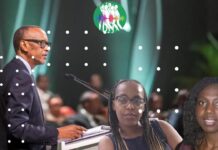




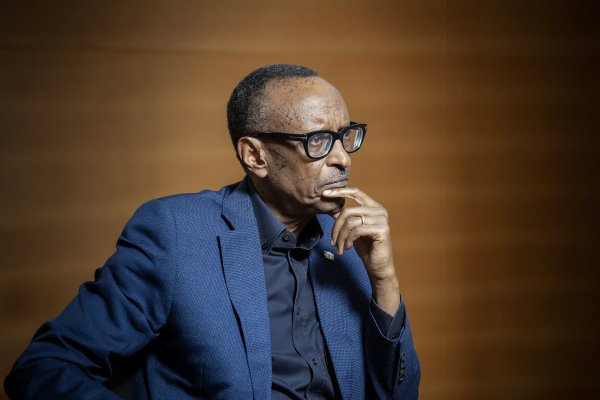
Paul Kagame recently gave an exclusive interview to Jeune Afrique, where he addressed the ongoing security crisis in eastern Democratic Republic of Congo (DRC), allegations of Rwanda’s support for the M23 rebel group, the possibility of international sanctions against Rwanda, and his tense relationship with Congolese President Félix Tshisekedi. The interview also touched on the role of foreign powers in the conflict and the broader implications for the Great Lakes region.
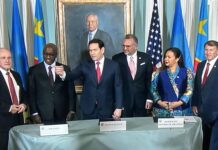
The recent regional summit in Dar es Salaam aimed to de-escalate tensions and find a lasting solution to the conflict between Kinshasa and the M23. Kagame praised the outcomes of this meeting, emphasizing that the participants had adopted a forward-looking vision. However, he pointed out the physical absence of Félix Tshisekedi, who chose to travel to Chad to seek military assistance before joining the meeting via video conference. For Kagame, this behavior proves that the Congolese president prefers a military approach rather than a diplomatic resolution.
One of the key resolutions of the summit was the call for direct negotiations between the Congolese government and the M23. However, this decision was accompanied by a demand for the withdrawal of foreign forces and Rwanda’s so-called “defensive measures” in Congolese territory. Kagame avoided directly addressing this issue, claiming that the root cause of the problem is purely Congolese and that Rwanda is not involved in the conflict. Yet, for years, UN reports and various independent organizations have documented Rwanda’s direct military involvement in support of the M23.
Kagame reminded that for the past 30 years, Rwanda has been entangled in this issue. He mentioned multiple agreements signed with the DRC since 2007, all of which were never respected by Kinshasa, and he denounced the continued presence of the Hutu militia known as the Democratic Forces for the Liberation of Rwanda (FDLR), which originated from the perpetrators of the 1994 genocide. According to him, Kinshasa has never genuinely tried to resolve this issue and instead diverts attention by blaming Kigali.
He also criticized the stance of European powers, particularly Belgium and Germany, accusing them of lacking objectivity. He highlighted that Kinshasa employs European mercenaries in the conflict and questioned why no Western government denounces this practice while continuously accusing Rwanda.
When asked about the risk of the conflict spreading across the region, Kagame blamed the presidents of Burundi and the DRC, claiming they are deliberately fueling tensions to destabilize Rwanda. He also accused Kinshasa of manipulating ethnic divisions to justify the persecution of certain Congolese communities of Rwandan origin.
Rwanda’s support for the M23 was one of the central topics of the interview. Kagame did not deny his sympathy for the rebel group, asserting that they are defending the rights of a persecuted population. He accused the Congolese government of implementing a discriminatory policy aimed at excluding part of its citizens based on their ethnic background. For him, the international community should be questioning why these people feel the need to take up arms rather than blaming Rwanda.
The accusations against the DRC did not stop there. Kagame also denounced Kinshasa’s alliance with various armed groups, including the Wazalendo, a paramilitary coalition supported by the Congolese government. He claimed these militias are involved in ethnically motivated massacres and enjoy the complicity of Congolese authorities. According to him, this situation mirrors that of 2012-2013, when the M23 previously rebelled against Kinshasa. He questioned why the issue persists today and why no long-term solution has been implemented since then.
When asked why Rwanda does not simply let the Congolese resolve their own conflict, Kagame responded that the real question should be directed at Kinshasa. He insisted that if the Congolese government had not repressed this community and collaborated with groups hostile to Rwanda, the situation would never have escalated.
The existence of the FDLR remains a major point of contention between Kigali and Kinshasa. Kagame dismissed the idea that this militia was being neutralized by the Congolese army. According to him, FDLR fighters are still active, with some temporarily fleeing only to regroup in South Kivu. He also recalled several attacks carried out by these militants against Rwandan territory, notably in 2019 and 2022. For him, the international community turns a blind eye to these atrocities while being quick to blame Rwanda whenever violence escalates in eastern DRC.
Another sensitive topic raised in the interview was the M23’s declared goal of overthrowing Félix Tshisekedi. Kagame avoided giving a direct answer but stated that he understands the group’s rebellion against what he considers an illegitimate regime. He accused Tshisekedi of seizing power for the benefit of a small elite and establishing a system based on corruption and repression. According to him, the millions of Congolese suffering under this government have the right to protest and hold their leaders accountable.
Angolan President João Lourenço, appointed as a mediator by the African Union, had attempted to organize a meeting between Kagame and Tshisekedi in Luanda last December. Kagame justified his absence by explaining that the meeting was not intended for negotiations but rather to sign an agreement already prepared by their foreign ministers. He accused Kinshasa of blocking the inclusion of key points and stated that he saw no reason to attend if no concrete progress would be made.
The M23’s offensive on Goma, which resulted in over 3,000 deaths, was a critical moment in the conflict. Kagame denied any Rwandan involvement in these attacks, claiming that his country had only taken defensive measures. He also downplayed the number of civilian casualties, asserting that most of the dead were Congolese soldiers, FDLR militants, and Wazalendo fighters.
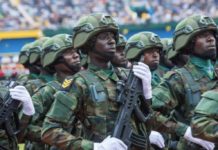
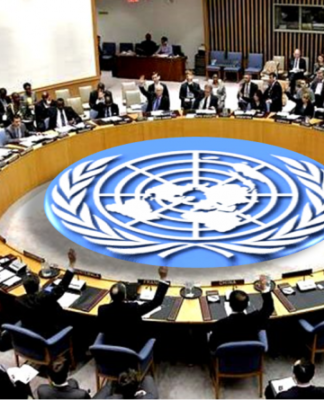
The presence of Rwandan troops in the DRC has been confirmed by the United Nations and several major powers, including China. Yet, Kagame dismissed these claims, criticizing what he sees as a double standard in analyzing the situation. He accused certain countries of demanding Rwanda’s withdrawal while ignoring the FDLR’s threat and Kinshasa’s attacks on Rwandan territory.
International sanctions against Rwanda were also discussed. Belgium, the United Kingdom, and Germany have already suspended part of their aid to Kigali and are considering targeted sanctions. Kagame responded defiantly, stating that he is not afraid of these measures and that he will always prioritize his country’s security. He compared the current situation to Rwanda’s darkest times in 1994, emphasizing that his nation has already survived much worse.
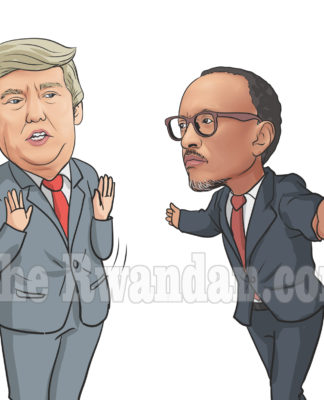
Finally, the interview touched on ongoing geopolitical shifts, particularly with the U.S. presidential election. Kagame expressed hope that the new Trump administration would take a more favorable approach to Rwanda, in contrast to the Biden administration, which has frequently criticized Kigali’s role in the DRC.
Throughout this interview, Kagame attempts to absolve himself of any responsibility while implicitly admitting Rwanda’s support for the M23. He shifts blame onto Kinshasa, the international community, and colonial history. However, beyond his words, the reality on the ground shows that Rwanda’s involvement in eastern DRC is far more complex than he is willing to acknowledge.