





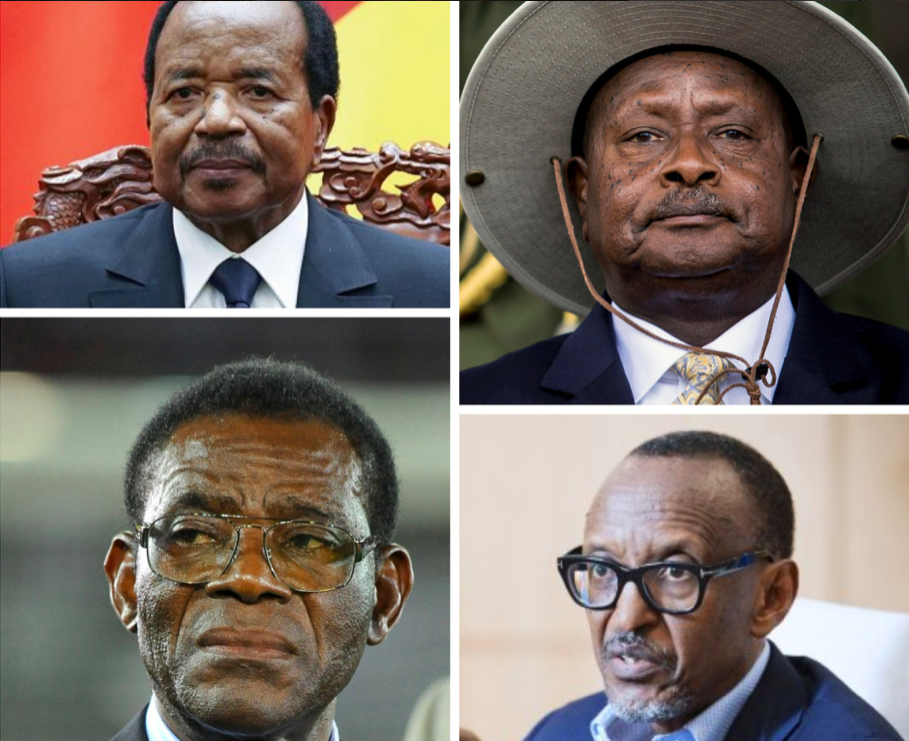
After the general elections of April 17, 1971, Banda was re-elected President of the Republic by the National Assembly and proclaimed himself President for life. In 1975, Habib Bourguiba of Tunisia did the same. Houphouet Boigny died in power after 33 years of reign; Gnansingbe Eyadema too after 38 years. Robert Mugabe, 38 years of unchallenged reign; Mobutu, 32 years in power; Kaddafi 42 years as Libyan guide; Omar Bongo, 41 years as president, Hosni Mubarak, 29 years of reign, the list is not exhaustive.
Since La Baule, pluralism has been re-established and democracy is progressing everywhere in Africa as best it can. However, old habits persist in several countries: amid international indifference, heads of state shamelessly manipulate the Constitution to prolong their reign. These dictators who emerged from the polls or putsch are found mainly in sub-Saharan Africa, due to an infernal accumulation of handicaps.
Nth mandate or nth putsch? The subject is political brigandage, as shown by the constitutional referendums which are organized to allow these kings to reign for life without limit on age or number of mandates under the pretext that they honor the will of the people; all protests being harshly repressed.
1. The examples are legion
Teodoro Obiang Nguema Mbasogo
President of Equatorial Guinea for 45 years. Coming to power in 1979, he now holds the world record for longevity in power for a living head of state, excluding monarchies.
Teodoro Obiang Nguema Mbasogo overthrew his predecessor in 1979, Masie Nguema Biyogo Ñegue Ndong in a coup d’état. He first became president of the Supreme Military Council (1979-1982) then President of the Republic (since 1982). He was re-elected in 2022 with nearly 95% of the vote.
Paul Biya
91 years old, in post since November 1982 in Cameroon, has 42 years of experience. It increases concern about what his legacy will be and the predictable turbulence that his succession will cause. Paul Biya has governed Cameroon since 1982. He has the second longest tenure in power in the world. Since 2008, a constitutional amendment initiated by Biya allows the President to renew his mandate an unlimited number of times. He was re-elected in 2018 with nearly 71% of the vote.
Denis Sassou-Nguesso
80 years old, often forgotten in the lists of heads of state who have held power the longest, comes in third position in Africa and in the world, with 39 years of supreme office under the clock. That is more than the 35 years in power of the Guide of the Revolution Ali Khamenei, who has held the highest position in the Iranian state since 1989. Denis Sassou-Nguesso certainly experienced a five-year interlude in exile in Paris between 1992 and 1997, due to democratization after the famous La Baule speech by François Mitterrand in 1990. Ousted in 1992 by the elected candidate Pascal Lissouba, he was returned in force twenty-six years ago, in 1997. Ready to do battle with his rival through militias, he has since occupied the presidential palace unchallenged. He had the Constitution amended to be re-elected under contested conditions in 2016.
2. Not the monopoly on longevity
Yoweri Museveni
In Uganda, 38 years at the head of the country, Yoweri Museveni also locks in his influence, which he has exercised since he brought down the regime of Milton Obote in 1986. In doing so, he sets an example for others in his region, in Rwanda or Burundi, whose heads of state also seem to want to be there for an indefinite period.
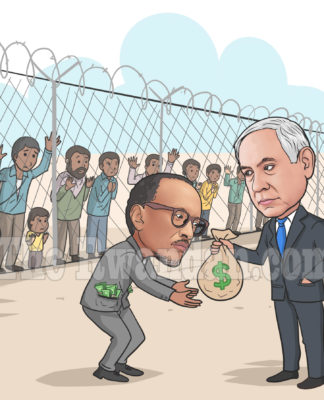
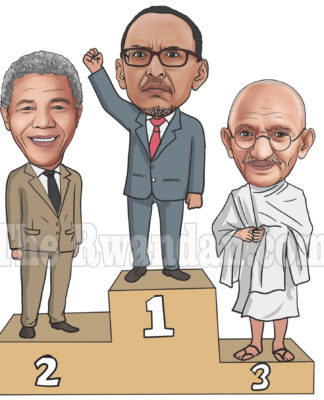
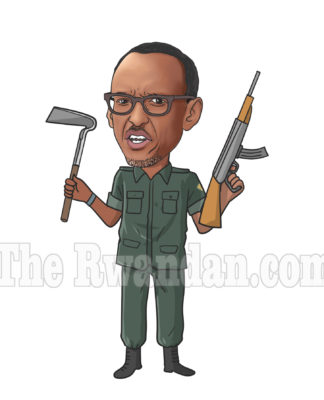
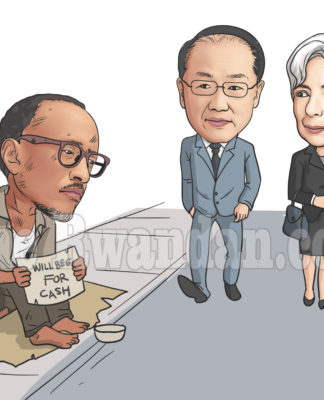
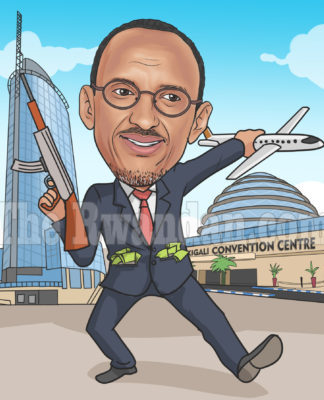
Paul Kagame (1994-2034)
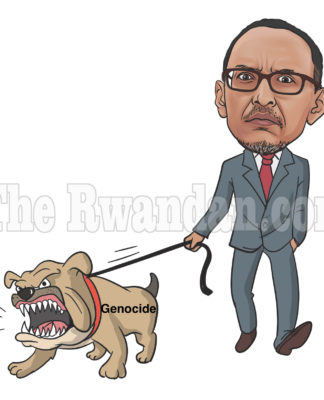
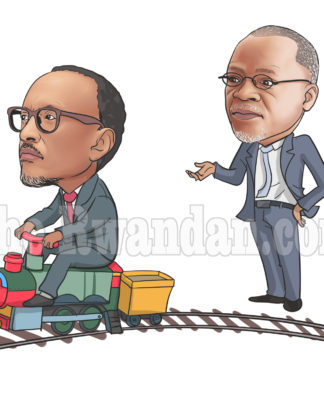
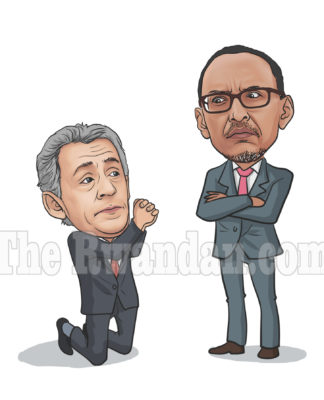
He came to power in 2000, first as interim President following the forced resignation of his predecessor. Paul Kagame had the Constitution amended and was re-elected last August with more than 98% of the votes. He has been president since 2000 and can remain until 2034.
Isaias Afwerki, President of Eritrea for 33 years
Issaias Afeworki, dictator in Eritrea since 1991, has been President of this state since its independence. Since then, there have been no elections in the country.
Ismaïl Omar Gelleh, Djibouti, 25 years in power
After the withdrawal of Hassan Gouled, Ismaïl Omar Gelleh was invested by the RPP, then elected President of the Republic on April 9, 1999, with officially more than 74% of the votes. In April 2010, Parliament voted for a constitutional reform allowing Ismaïl Omar Guelleh to run for a third term. On April 9, 2021, Ismaïl Omar Guelleh was re-elected as head of state in the first round with 98.58% of the votes. On May 15, 2021, Ismaïl Omar Guelleh (IOG), organized the investiture ceremony which officially inaugurated the fifth term for which he was elected
Faure Gnassingbé
Faure Essozimna Gnassingbé was born on June 6, 1966 in Afagnan, Togo, and since 2005 he has been head of state. That year, he succeeded his father, Gnassingbé Eyadema, who died in the power he had held since 1967. First interim president from February 7 to 25, 2005, Faure Gnassingbé was then elected four times, under contested conditions.
3. Fortuition and coincidence do not exist
In a monarchist trend, Kabila Joseph succeeds his father; Ali Bongo; Faure Gnansingbe; Mahamat Idris Deby; Karim Wade tried it in vain but does not give up; General Muhozi, head of the Ugandan army, is already prepared for this from his present position; Captain Ian Kagame, before whom the generals bow, is already in this perspective and will climb ranks to reach the top of the army in order to relay to his father tired of accumulating mandates endlessly.
4. Electoral fraud
Many elections are also marred by significant fraud likely to call into question their credibility. Multiple, increasingly sophisticated skills are developed by political operators and their “little hands” to “guide” the results of the elections: having few polling stations in areas won over by the opposition, as Frelimo in power knew how to do this so well in Mozambique in the northern provinces favorable to Renamo, distributing electoral cards and making the dead vote, falsifying the reports from polling stations, or quite simply rewriting a few figures on the computer system, etc. International election observation missions, as well as opposition parties and civil society organizations, are gradually developing countermeasures that help limit fraud. But the results of certain elections are always subject to doubt: we can thus think of the last presidential elections in Togo, where the victory of Faure Eyadéma was only recognized with lip service by a European Union (EU) ultimately unwilling to openly questioning the results of an election that it had largely financed and organized. Ditto in Cameroon, where the recent re-election of Paul Biya in October 2011 was punctuated by various rigging committed by those in power.
5. Poll or simulacrum
Elections have become commonplace in sub-Saharan Africa. Since the wave of political liberalization in the 1990s, 43 of the 48 countries in sub-Saharan Africa have had pluralist elections. Electoral processes have largely become “routinized”. However, this masks very contrasting political realities. Since 1990, elections have been no more synonymous with democracy than before. Hermet speaks of “elections without choice” of authoritarian regimes between the 1960s and the 1990s. The election even becomes a very valid technique for re-legitimizing autocracies bringing themselves into line with the expectations of the international community in terms of democratization. and clothing the authoritarian nature of their regime with electoral legitimacy.
6. Exclusion of opponents
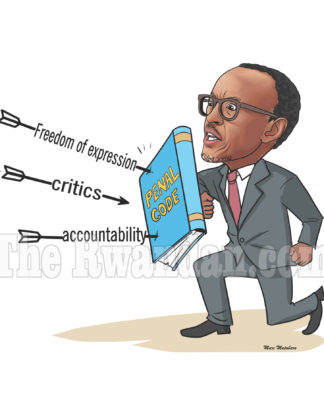
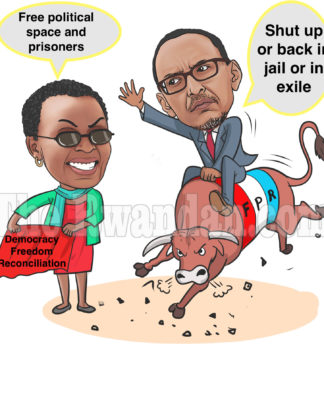
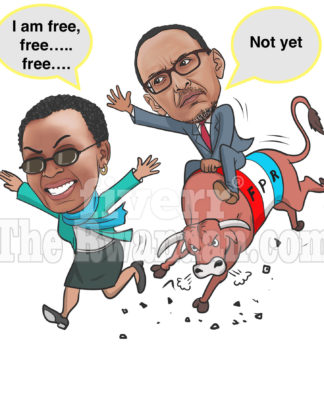
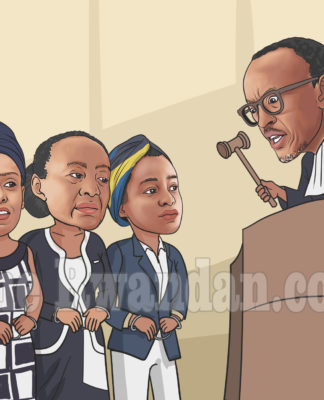
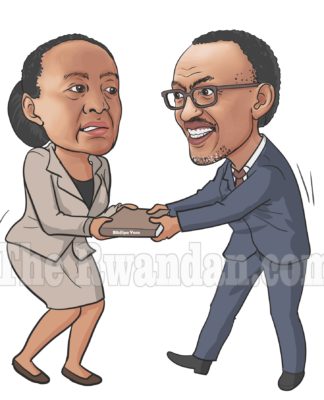
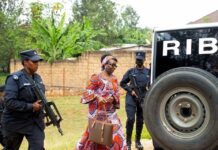
Strong opponents who represent the hope of the population are slyly sidelined. Indeed, the electoral commissions, not being independent, ensure that the outgoing head of state who presents himself for the umpteenth time does not suffer any setback. To this end, they impose eligibility conditions that they themselves control with complete partiality and reject the applications of potential opponents without the possibility of appeal for the latter. This is the case of Rwanda where fierce opponents like Ingabire Victoire and Ntaganda Bernard are ineligible because they are already imprisoned for political reasons without possible rehabilitation given the lack of independence of the judges of this country; protesting candidates like Diane Rwigara and Prof. Jean Mbanda saw their files rejected without palpable basis and Kagame, risking finding himself the sole candidate, was accompanied by a deputy and a general director already committed to the regime.
7. No opposition
The presidency of a political party is a ticket to being minister. To stay in office, it is better to keep a low profile. It is in this context that, with the exception of the Green Party, all the apparently opposition parties in Rwanda ceded the votes of their supporters to the RPF, becoming ipso facto its satellites without further ado.
Conclusion: a vicious circle
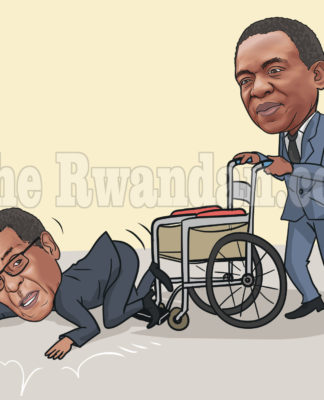
The time of the fathers of independence who died in power and of military presidents resulting from coups who governed themselves without sharing is certainly over. But as cheating is visceral among African leaders, to keep their bread, they imagine stratagems of all kinds, notably modifying the constitutions for unlimited mandates, banning all opposition by means of targeted assassinations or imprisonments; etc. and like that they will reign until death or be replaced by their children whom they have already assigned to the key functions; the example of Teodoro Nguema Obiang Mangue, vice president of Equatorial Guinea and Muhozi, chief of staff of the Ugandan army, is more eloquent. Who will save us from these monarchs disguised as dictatorially elected presidents?