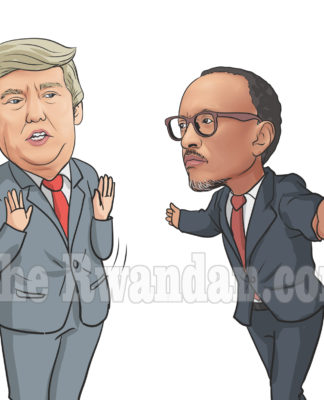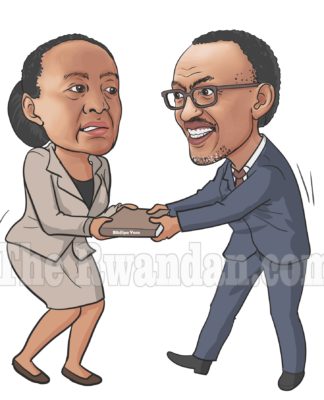






The Democratic Republic of Congo (DRC) has urged the international community to impose strict measures against Rwanda, following a United Nations expert report accusing Rwanda of supporting the M23 rebels. The UN report claims that Rwanda has deployed up to 4,000 troops in eastern DRC to fight alongside these rebels.
The UN experts assert that the number of Rwandan soldiers present in the DRC is equal to, if not greater than, the estimated 3,000 M23 fighters on Congolese soil as of mid-April this year. In response, the DRC government is calling on “all reasonable countries concerned with peace and justice, along with the international community, to take decisive political, economic, and judicial actions against Rwanda and its leaders.”
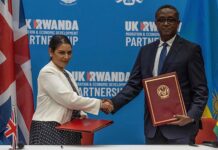
As of now, the Rwandan government has not issued any official statement regarding these latest accusations from the DRC. However, in reaction to the report, Rwanda has neither denied the allegations nor commented directly. Instead, it told the BBC that the DRC lacks the political will to resolve the longstanding issues in the mineral-rich eastern region, which has been plagued by conflict for decades. A Rwandan government spokesperson stated that the DRC has the capability to resolve the situation but added, “until they do, Rwanda will continue to defend itself.”
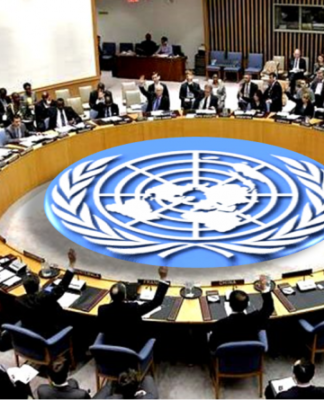
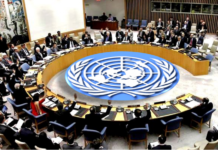
The DRC’s Ministry of Information announced that it became aware of the new UN expert report, which was presented to the President of the UN Security Council on May 31st this year. The DRC government claims the report provides “strong and unequivocal evidence” of Rwanda’s aggression, clearly showing that Rwandan Defense Forces (RDF) “are leading this provocative group” of M23.
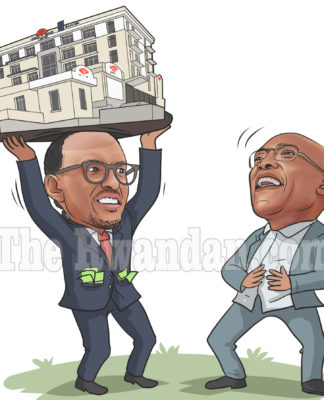
Furthermore, the DRC alleges that the report highlights the looting of natural resources, such as minerals and timber, caused by the insecurity, which “mainly benefits Rwanda.” Kinshasa argues that the report reinforces its stance that this conflict is economically motivated. An estimated three million people have been displaced due to the fighting, and many others have lost their lives.
While the DRC’s statement did not explicitly criticize Uganda, the UN experts’ report suggests that Uganda might be allowing supplies and new M23 recruits to transit through its territory. It also accuses Ugandan officials of hosting M23 leaders despite travel bans imposed on them. Previously, DRC’s Foreign Affairs Minister, Thérèse Kayikwamba Wagner, expressed concern about the alleged collaboration between Ugandan forces, M23, and Rwandan troops. She indicated that the issue would be addressed at higher levels within the Ugandan government, which cooperates with DRC in combating the Allied Democratic Forces (ADF), a rebel group affiliated with the so-called Islamic State that threatens both countries.
Uganda has denied the allegations made in the UN report. In a joint statement, the Alliance Fleuve Congo (AFC) and M23 responded to the report before its public release, claiming that the UN experts had distorted the facts, potentially “hindering the establishment of lasting peace.” The statement also denied any involvement of Rwanda in the eastern DRC conflict.
Rwanda has long been concerned about the presence of Hutu rebels, known as the FDLR, operating in eastern DRC. Joint military operations between Rwanda and the DRC have failed to eliminate these rebels.