




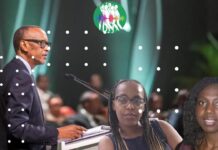

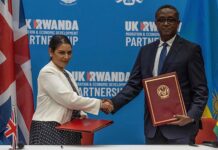






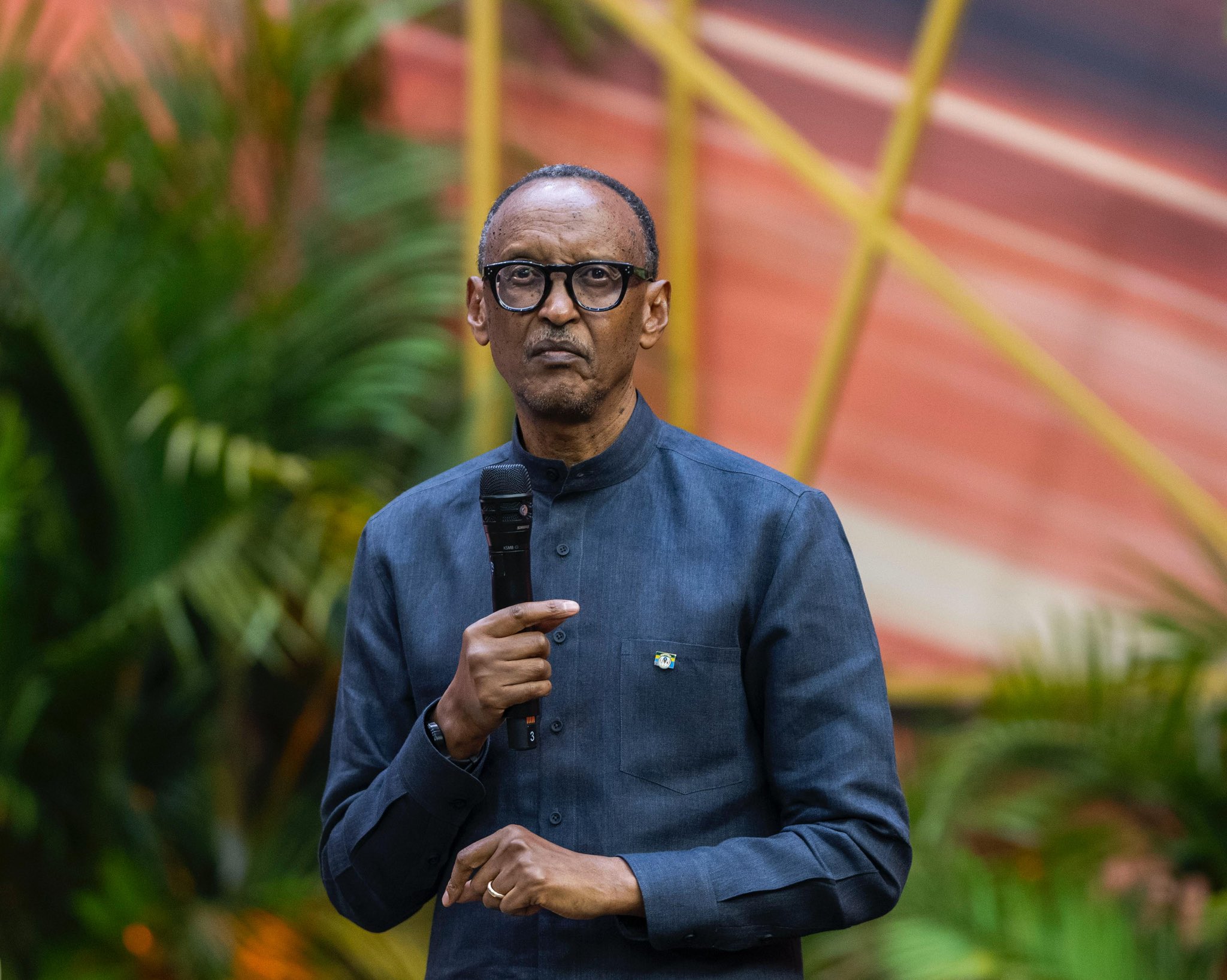
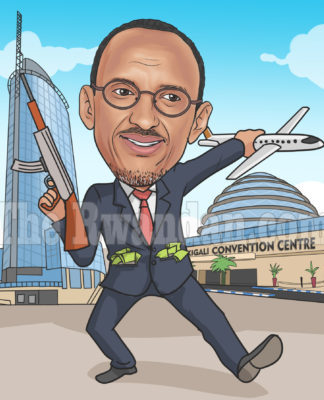
On 4 July 2025, during celebrations marking 31 years since the Rwandan Patriotic Front (FPR) took power, President Paul Kagame delivered a defiant and uncompromising speech. Speaking at a state banquet held at the Kigali Convention Centre, in front of the country’s top political, military and diplomatic leadership, Kagame directly accused the Democratic Republic of Congo (DRC) and its allies of attempting to destabilise Rwanda.
After paying tribute to those who contributed to what the regime calls the country’s “liberation” in 1994, Kagame swiftly turned to current regional tensions. He claimed that foreign governments had sent weapons, mercenaries from Europe, and African troops to support the Congolese government, which he accused of collaborating with perpetrators of the 1994 genocide. “They supported a regime that kills its own people while protecting those who massacred ours,” he said.
According to Kagame, recent operations in eastern Congo had nothing to do with fighting the M23 rebellion, but were in fact a cover for an attack on Rwanda. He referenced alleged discoveries in Goma and Bukavu to support this claim: “It wasn’t about fighting an armed group. It was a coordinated attempt to target Rwanda.”
In one of the most striking moments of the speech, Kagame declared that Rwanda was capable of projecting force far beyond its borders: “We have the capacity to go fight two thousand kilometres from here, if we are forced to do so.” The statement, interpreted by many as a direct threat to President Félix Tshisekedi, refers to the approximate distance between Kigali and Kinshasa.
Kagame also addressed the recent withdrawal of the SAMIDRC regional force, deployed by the Southern African Development Community (SADC), including troops from South Africa, Tanzania and Malawi. He claimed these forces withdrew after realising they could not defeat Rwanda militarily. “What happened was only a fraction of what we could have done. We gave them a safe passage to return home. Had they chosen to resist, they would not have survived.”
He concluded his speech with an unequivocal warning: any aggression against Rwanda would be met with a forceful response. “I’m not trying to scare anyone. I’m simply speaking the truth. If anyone has other plans, they will soon find out what it costs.”
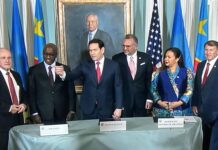
Kagame’s speech came just days after Rwanda and the DRC signed a peace agreement in Washington, under American mediation. Yet his remarks make clear that, despite diplomatic efforts, deep mistrust remains. Rwanda, Kagame insists, is ready to defend itself — even if that means marching all the way to Kinshasa.












 took power, President Paul Kagame delivered a defiant and uncompromising speech. Speaking at a state banquet held at the Kigali Convention Centre, in front of the country’s top political, military and diplomatic leadership, Kagame directly accused the Democratic Republic of Congo (DRC) and its allies of attempting to destabilise Rwanda.)