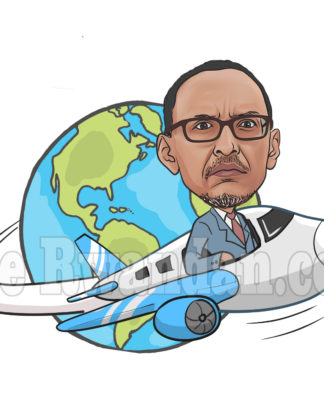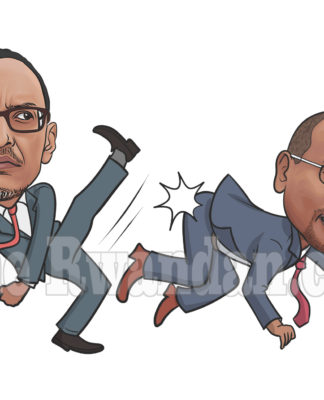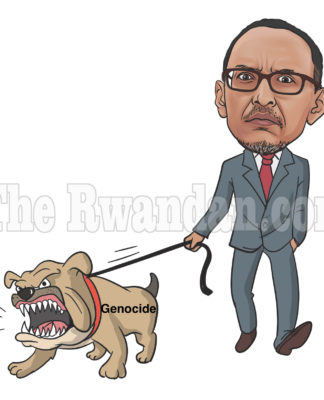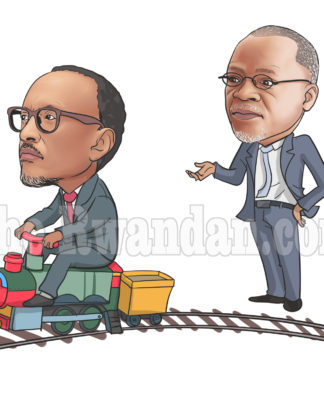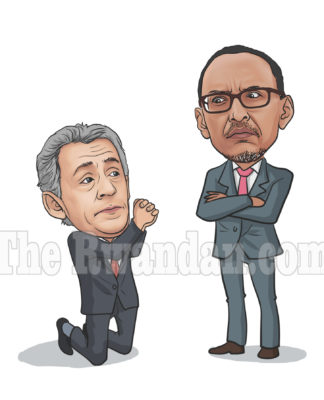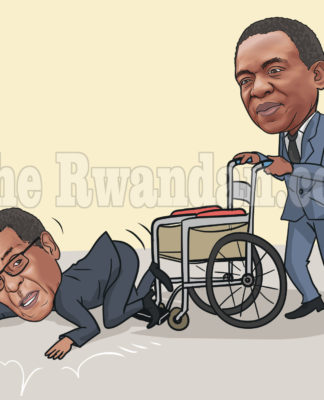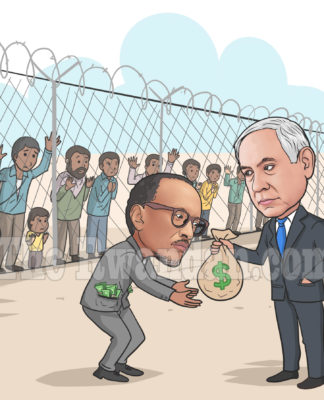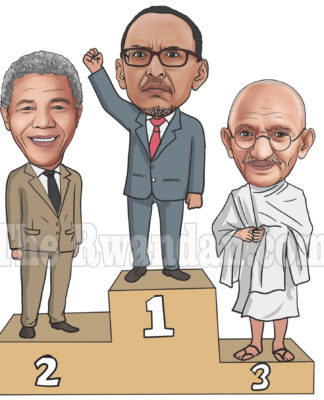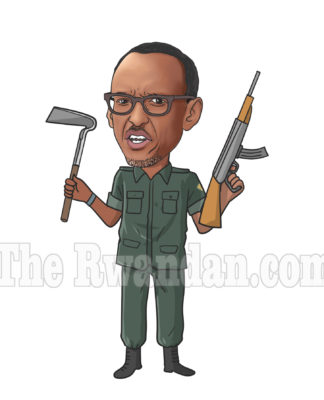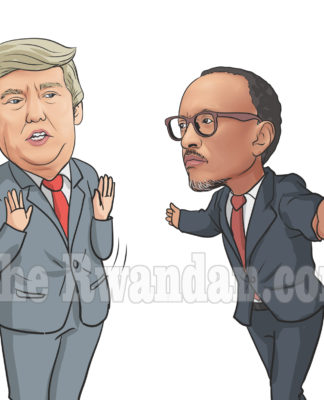














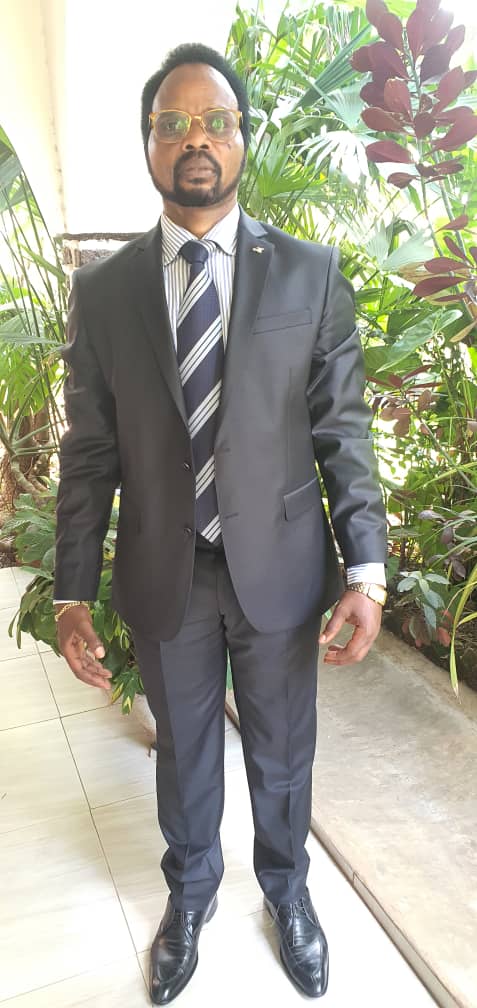
This Friday, January 17, 2025, Bernard Ntaganda, president of the Social Party Imberakuri, issued a sharp communiqué from Kigali, criticizing the current stance of President Paul Kagame on the international stage and the contradictions that define his governance. In this statement, Bernard Ntaganda meticulously analyzed Kagame’s January 16 address to the diplomatic corps, where he launched a scathing attack on certain Western countries, accusing them of acting as “global policemen.”
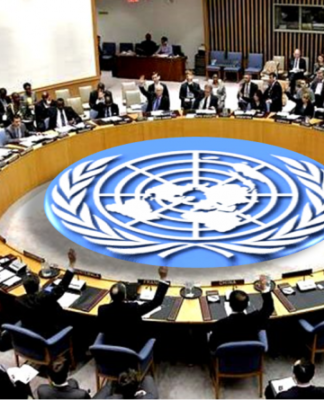
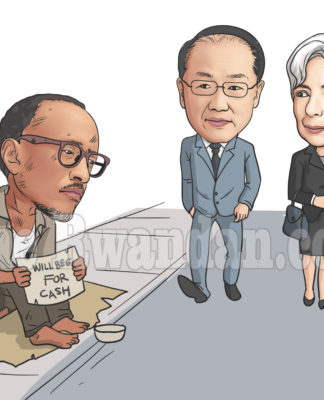
According to Bernard Ntaganda, this speech, intended as a display of sovereignty, instead reveals Kagame’s growing diplomatic isolation. Once unconditionally supported by the West, Paul Kagame now finds these relationships deteriorating. The international community, particularly the United Nations, accuses Rwanda of supporting the M23 armed group in the eastern Democratic Republic of Congo. Bernard Ntaganda uses a cutting metaphor to illustrate this denial: Rwanda continues to reject these accusations “like a pregnant girl denying her nine-month pregnancy.”
For Bernard Ntaganda, this breakdown in relations between Kagame and his former Western allies is unsurprising. He highlights that these alliances, built on shifting interests, were never meant to last indefinitely. He recalls how, at one time, the West heaped praise on the Kigali regime, presenting it as a model for post-genocide reconstruction. However, it is now evident that Kagame can no longer meet these powers’ expectations, and this rupture represents a pivotal moment in his political journey.
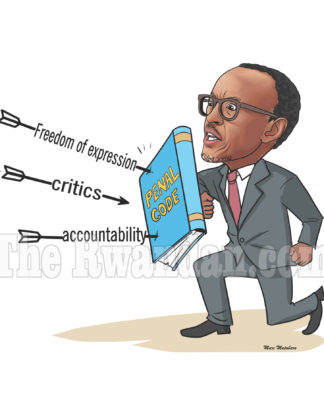
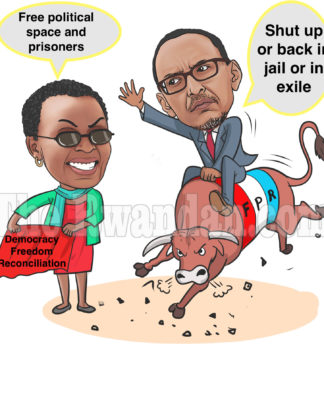
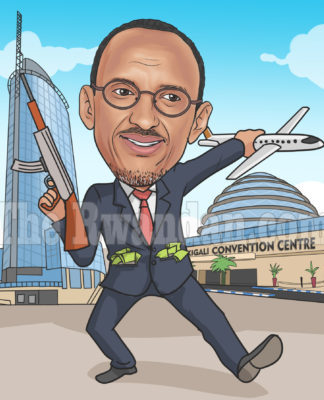
In his communiqué, Bernard Ntaganda emphasizes the consequences of this fracture. He notes that Kagame’s governance, marked by severe repression of opposition voices and excessive centralization of power, has reached its limits. Rwanda’s image as a development model is no longer sufficient to conceal the deep flaws of an authoritarian regime. The marginalization of the political opposition, with the Social Party Imberakuri as a key player, demonstrates Kagame’s inability to envision a genuine national dialogue, which is crucial for the country’s future.
Bernard Ntaganda calls for a radical change of approach. He urges Paul Kagame to acknowledge the current deadlock and take concrete steps to engage in sincere dialogue with the Rwandan opposition. In his view, this is the only path to restoring political stability and regaining credibility on the international stage. He also warns of the dangers of prolonged isolation, reminding us that history is full of leaders who refused to adapt, with disastrous consequences for their countries.
The communiqué issued by Bernard Ntaganda from Kigali serves as both a warning and an offer of cooperation to resolve Rwanda’s crisis. He invites Paul Kagame to abandon a governance style based on confrontation—both internal and external—and to prioritize a consensus-driven and inclusive approach. For Bernard Ntaganda, politics cannot merely be a struggle for power; it must be a tool to address the deep aspirations of the Rwandan people.
Paul Kagame, once praised as a master strategist, now appears trapped by his own contradictions. Bernard Ntaganda stresses the urgency for Kagame to realize that a country’s stability cannot be secured through repression alone but requires openness and the participation of all political actors.