
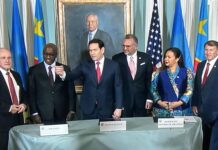






















The government of Rwanda has quietly agreed to accept up to 250 migrants that the United States is seeking to remove from its territory, according to a Reuters report confirmed by Rwandan officials. The agreement, signed in Kigali in June, has drawn criticism from rights advocates and raised fresh questions about the ethics and legality of outsourcing immigration enforcement to third countries.
The individuals set to be transferred are people whose countries of origin have refused to accept them back, or who face significant delays in repatriation processes. A US official, speaking anonymously, said the first list of ten names has already been sent to Kigali for assessment. While US authorities have remained silent, Rwanda’s government has confirmed the deal, which echoes the controversial migration pact it previously signed with the United Kingdom—an agreement ultimately scrapped by the new British government in 2024.
Yolande Makolo, spokesperson for the Rwandan government, defended the new arrangement by framing it in humanitarian terms. “Rwanda has agreed to take in up to 250 migrants in partnership with the United States. Almost every Rwandan family has experienced exile. Our national values are rooted in reintegration and supporting the vulnerable,” she said.
Makolo added that the country is prepared to provide housing, medical care, vocational training, and basic needs to the new arrivals. But many observers are sceptical, pointing to Rwanda’s human rights record and past failures to follow through on similar projects.
There are still no details about whether these migrants will be housed in the facilities previously built for the defunct UK-Rwanda deal—an initiative that drew international backlash and was ruled unlawful by British courts. The buildings have stood mostly empty since.
The United States has not issued any official statement on the agreement, though the move comes in line with the Trump administration’s renewed crackdown on undocumented immigrants and non-citizens convicted of crimes. Since returning to office, President Donald Trump has accelerated efforts to expel migrants en masse, including those who have already served criminal sentences.
The Rwandan deal appears to be part of a broader US strategy to pressure African nations into accepting unwanted migrants. Earlier this year, the Trump administration reportedly asked Nigeria to take in Venezuelan nationals facing deportation—a request that was publicly rejected by Abuja. Other African countries such as Liberia, Senegal, Mauritania, Gabon, and Guinea-Bissau have also been approached, though it remains unclear if any have accepted.
Critics argue that the policy is an attempt by the US to sidestep its own legal and moral responsibilities by offloading migrants to poorer countries with weaker oversight and fewer protections. Human rights organisations have long raised concerns about Rwanda’s treatment of asylum seekers, its political climate, and its track record on press freedom and civil liberties.
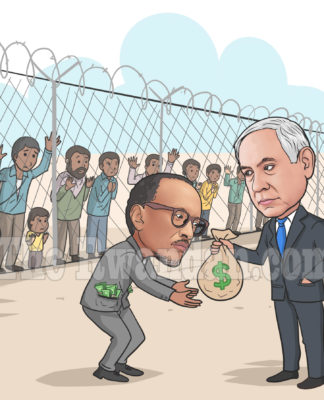
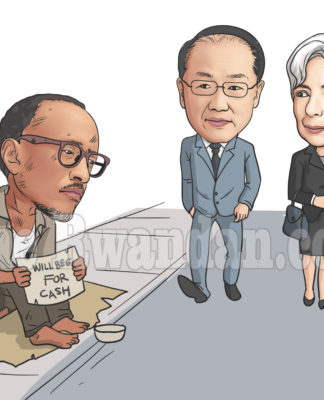
According to Reuters, the US will compensate Rwanda through a grant agreement finalised in July, although officials declined to reveal the financial details. The funds are said to cover relocation, resettlement and support costs, but the arrangement raises questions about whether Rwanda is effectively being paid to do the US’s dirty work.
Rwandan authorities clarified that only individuals who have completed their sentences or have no pending charges will be accepted, as there is no legal basis for hosting prisoners still serving time under US jurisdiction. Nevertheless, the very notion of transferring migrants outside normal asylum or deportation procedures is seen by many as part of a troubling international trend.
For some analysts, the Rwanda-US deal is just the latest example of wealthy nations using aid money and diplomacy to shift responsibility for migration management onto others. As the Trump administration doubles down on hardline immigration policies ahead of the 2026 midterms, the human cost of such policies is likely to grow—far from the headlines, and far from the borders where the decisions are made.