




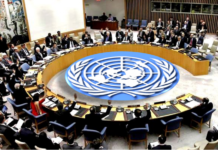










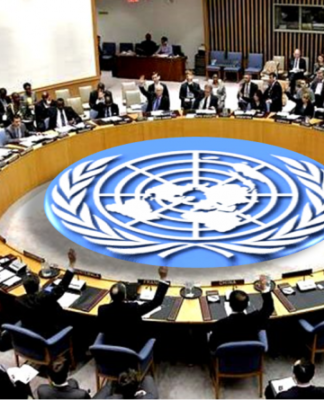
Just five days after Rwanda and the Democratic Republic of Congo (DRC) signed a peace agreement in Washington on 27 June 2025, a new confidential report from the United Nations lays bare Kigali’s ongoing military campaign in eastern Congo. Leaked to Reuters, the report concludes that Rwanda not only supports but also directly commands and oversees the operations of the M23 rebel group, with the goal of securing long-term control over the region’s territory and vast mineral wealth.
The UN Group of Experts, which submitted the report to the UN Security Council’s DRC sanctions committee in early May, states clearly: “Rwanda directs and controls M23 fighters” as they advance across the eastern provinces, capturing territory, consolidating political influence, and taking over key mining areas. The report details how the Rwandan military has provided newly recruited M23 combatants with weapons and advanced training, including the use of sophisticated air-defence technology, which gave M23 a tactical edge over the Congolese army (FARDC) during recent offensives.
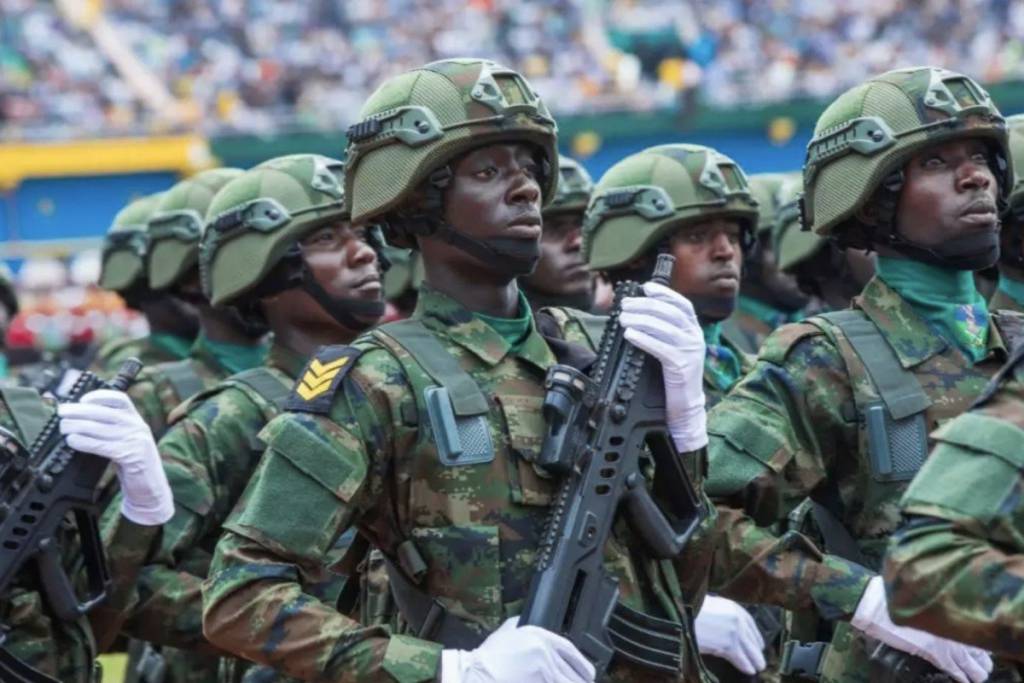
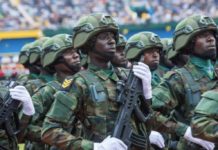
According to the report, several senior M23 leaders were trained at the Rwandan military academy in Gabiro, while new recruits were sent to training camps in Nasho and Gako. Ahead of M23’s latest territorial gains, Rwanda significantly increased its military presence in eastern Congo, with between 1,000 and 1,500 Rwandan troops actively fighting alongside M23 at the time of the report, and thousands more reportedly stationed along the border, ready to cross.
Critically, the UN experts conclude that Rwanda’s military assistance to M23 was never primarily about neutralising the FDLR — the Rwandan Hutu rebel group long used as justification by Kigali for its regional interventions. Instead, the report says Rwanda’s real objective has been the capture and control of new territory.
The offensive has already yielded major victories for M23. In January and February, the rebel group seized the strategic cities of Goma and Bukavu. Both local and international intelligence sources — including the UN, the Congolese government, and several European powers — have confirmed Rwanda’s direct military support for the M23 during these campaigns. One section of the report suggests that a missile attack that killed one UN peacekeeper and injured four others in January likely originated from a Rwandan military position, marking a serious escalation and a violation of international law.
Yolande Makolo, spokesperson for the Rwandan government, rejected the findings, telling Reuters the report “does not reflect Rwanda’s position on regional security,” and reiterated that Kigali remains committed to implementing the Washington peace deal. She repeated Kigali’s justification that “self-defensive measures” are needed in response to continued FDLR threats.
However, facts on the ground appear to contradict these assurances. The UN report confirms that since the fall of Bukavu, M23 has expanded its reach, consolidated governance over occupied areas, and taken control of mining sites around Rubaya and elsewhere — sites rich in coltan, cobalt, lithium, copper and gold, all essential for global technology and energy industries.
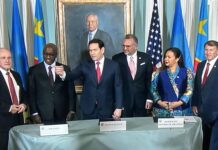
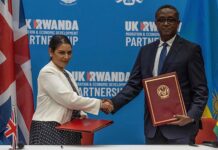
These developments raise serious questions about the viability of the Washington peace agreement, which was signed with much fanfare on 27 June in the presence of US Secretary of State Marco Rubio and brokered by President Donald Trump’s Africa adviser, Massad Boulos. In a telling interview with the BBC shortly after the deal was signed, Boulos acknowledged that the ceasefire provisions in the agreement primarily concern M23, implicitly recognising Kigali’s control over the rebel group. “The disarmament provisions largely apply to the M23,” he stated, and added that Rwanda’s participation in the talks “implies a certain level of responsibility.” His remarks lend further weight to the UN’s findings and sharply undermine Rwanda’s repeated denials of involvement.
Meanwhile, internal tensions have emerged in Kigali. Before the UN report was leaked, Rwandan Senator Evode Uwizeyimana — a known loyalist and constitutional lawyer — appeared on national television (RBA) to criticise the Washington deal. Like many regime supporters, he dismissed the agreement as “confusing and contradictory.” But in his effort to discredit the peace accord, he inadvertently raised uncomfortable questions about Rwanda’s military engagement in Congo. “If Rwanda agreed to a ceasefire, when exactly did we declare war?” he asked. He went further, questioning how troops could have been deployed abroad without parliamentary approval — a slip that revealed more than Kigali may have intended.
On Rwandan social media, pro-regime accounts openly celebrate M23’s military gains. For many within the ruling Rwandan Patriotic Front (FPR), eastern Congo is viewed as a historic territory lost during colonial times and now being rightfully reclaimed. References to “our boys on the other side” are common, and the presence of Rwandan troops is no longer treated as a rumour but as a patriotic reality.
Regional analysts believe that Kagame’s acceptance of the Washington deal was a tactical manoeuvre, designed to buy time until a possible Democratic administration returns to the White House. They argue that Rwanda is betting on future US disengagement from the region, which would allow Kigali to solidify its position on the ground. In the meantime, Western mining companies seeking to operate in eastern Congo may be forced to negotiate directly with M23 authorities — and thus with Rwanda — to secure their interests.
As of 2 July 2025, the situation in eastern Congo remains volatile. The peace agreement signed in Washington already appears disconnected from the evolving military and political reality. Rwanda’s regional ambitions — long suspected — are now officially documented, and the international community faces a stark choice: act to enforce peace or tacitly accept the fragmentation of Congolese sovereignty under foreign influence.







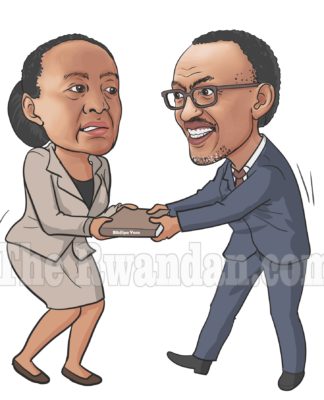





, eastern Congo is viewed as a historic territory lost during colonial times and now being rightfully reclaimed. References to “our boys on the other side” are common, and the presence of Rwandan troops is no longer treated as a rumour but as a patriotic reality.)