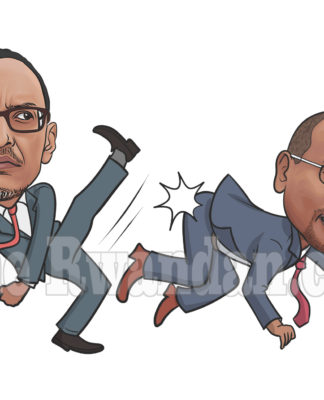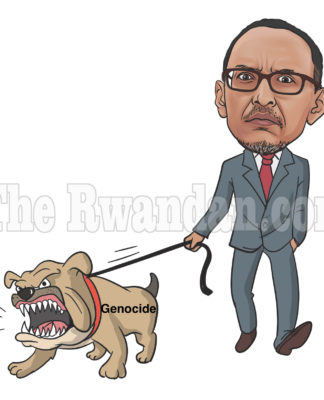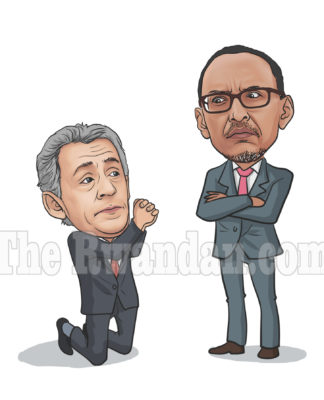


















On March 17, 2025, the Rwandan government announced the immediate severance of diplomatic relations with Belgium, ordering all Belgian diplomats to leave the country within 48 hours. Kigali accused Belgium of leading a hostile campaign against Rwanda and attempting to maintain neocolonial influence in the region. The move marks an unprecedented escalation in tensions between the two countries.
In its statement, Rwanda justified its decision by citing Belgium’s historic role in destabilizing the region, particularly in the Democratic Republic of Congo (DRC). Kigali accused Brussels of actively working against Rwanda in various international forums, manipulating narratives to create a hostile opinion against the Rwandan government.
Rwanda further blamed Belgium for its colonial past, which it claims contributed to ethnic divisions that ultimately led to the 1994 genocide against the Tutsi. The statement also condemned Belgium for hosting individuals accused of genocide denial and for tolerating groups spreading genocidal ideology on its soil.
Belgium’s Foreign Minister Maxime Prévot reacted swiftly, calling Rwanda’s decision “disproportionate”, adding that it demonstrated Kigali’s refusal to engage in dialogue when confronted with criticism. Belgium immediately announced reciprocal measures, including the expulsion of Rwandan diplomats and the suspension of bilateral cooperation agreements between the two countries.
This diplomatic crisis comes amid increasing international pressure on Rwanda over its role in the conflict in eastern DRC. In recent months, Belgium has spearheaded efforts within the European Union (EU) to sanction Rwanda for its alleged support of the M23 rebel group. The EU is set to sanction nine Rwandan and M23 officials on March 18, freezing their assets and banning them from travel.
Beyond Belgium, the United States, the United Kingdom, Germany, and Canada have also imposed various economic and diplomatic sanctions on Rwanda, including restrictions on development aid and visa bans. While the U.S. is the only country to have directly sanctioned a Rwandan official, targeting James Kabarebe, other measures have been taken against Rwanda’s economic and geopolitical interests.
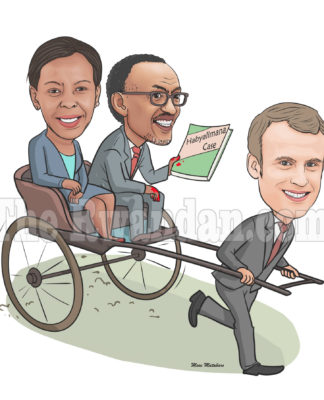
In a speech on March 16, President Paul Kagame responded defiantly to Western sanctions, accusing Belgium of clinging to its colonial past and attempting to control Rwanda. He referred to Belgium as a “small country” that continues to meddle in Rwandan affairs and warned that Rwanda would retaliate with the limited means at its disposal.
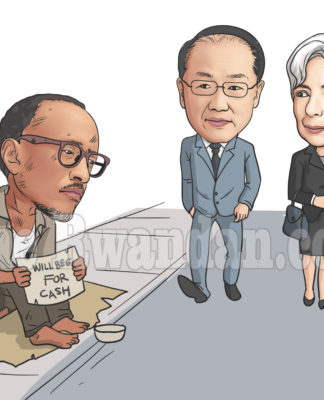
Kagame urged Rwandans to prepare for difficult times ahead, acknowledging that the country would face economic and political hardships due to mounting international isolation. He insisted that Rwanda would resist external pressure and accused Western powers of wanting the country to remain dependent rather than independent and prosperous.
This latest diplomatic crisis raises concerns about Rwanda’s growing isolation on the international stage. While Kigali maintains strong ties with some East African Community (EAC) countries, its deteriorating relations with the EU, the U.S., and key Western allies could have serious economic and political repercussions.
With the situation in eastern DRC worsening, and the M23 rebels consolidating their hold on key areas, diplomatic tensions between Kigali and Brussels further complicate efforts to find a peaceful resolution to the conflict. The rift also risks affecting Rwanda’s economy, as it relies on international partnerships and financial support to sustain its development model.
As Brussels and Kigali harden their positions, the fallout from this diplomatic standoff remains uncertain. However, it is clear that Rwanda is entering a new phase of confrontation with Western powers, further deepening its political and economic challenges.