













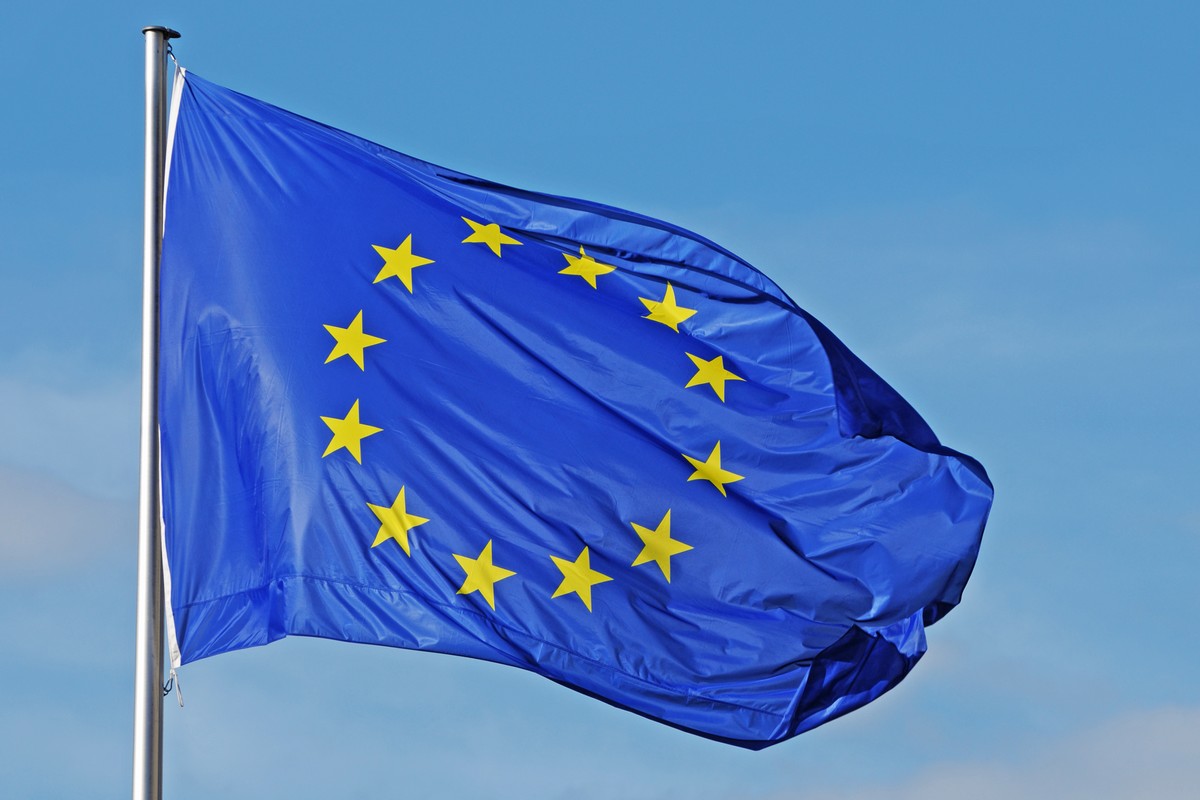
The European Union (EU) has officially imposed sanctions on nine individuals and one entity linked to the ongoing conflict in eastern Democratic Republic of the Congo (DRC). The Council Implementing Regulation (EU) 2025/509, published on March 17, 2025, freezes the assets of the sanctioned individuals and bans them from traveling within the EU. The sanctions primarily target senior Rwandan military officials, leaders of the M23 rebel group, and key figures involved in Rwanda’s mining sector.
The list includes Bertrand Bisimwa, political leader of the M23 rebel group, accused of directing the group’s military activities and sustaining instability in eastern DRC. Major-General Ruki Karusisi, former commander of the Special Forces of the Rwandan Defence Force (RDF), is accused of providing direct military support to M23 operations in DRC. Major-General Eugène Nkubito, commander of the RDF’s 3rd Division, deployed in eastern DRC, is accused of coordinating RDF’s military operations in support of M23. Brigadier-General Pascal Muhizi, commander of the RDF’s 2nd Division, has allegedly been involved in reinforcing M23’s operations and destabilizing eastern DRC. Jean-Bosco Nzabonimpa Mupenzi, head of the Finance and Production Department of the M23, is responsible for funding rebel activities. Colonel John Imani Nzenze, an intelligence officer for the M23, is accused of coordinating military operations. Désiré Rukomera, a Rwandan national, is in charge of recruitment and propaganda for the M23. Francis Kamanzi, CEO of Rwanda Mines, Petroleum and Gas Board (RMB), is accused of exploiting illegally mined minerals from eastern DRC. Joseph Musanga (Bahati Erasto), the M23-appointed “Governor” of North Kivu, is accused of violating Congolese sovereignty by overseeing the establishment of a parallel administration in M23-occupied areas.
Additionally, the EU has sanctioned Gasabo Gold Refinery, a Kigali-based mining company allegedly involved in laundering conflict minerals extracted from the DRC. The refinery is accused of facilitating the illicit trade of gold, a key revenue source for the M23 rebels, which has fueled the conflict.
The EU justified these measures by citing violations of DRC’s territorial integrity, severe human rights abuses, and the exploitation of conflict resources. The bloc holds Rwanda responsible for sustaining the M23 rebellion through direct military support and logistical assistance. The sanctions come amid mounting pressure from the United States, the United Kingdom, Belgium, Germany, and Canada, which have all imposed economic and diplomatic measures against Rwanda in response to its alleged involvement in the war. While Washington has already sanctioned Rwandan State Minister James Kabarebe, the EU’s sanctions mark the most significant punitive action taken by the bloc against Rwanda and its proxy forces.
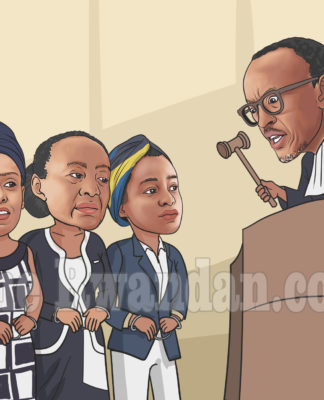
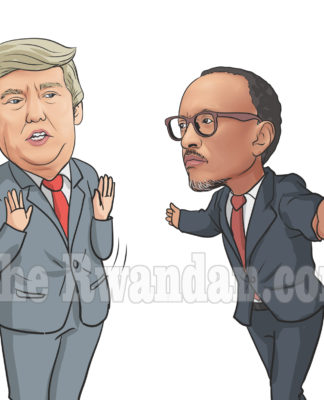
Rwanda has denied the accusations and has retaliated by cutting diplomatic ties with Belgium, accusing Brussels of pushing for these sanctions as part of its “neocolonial” agenda. Rwandan President Paul Kagame has dismissed the EU measures as “politically motivated” and vowed to take countermeasures despite Rwanda’s limited economic leverage. Kagame warned Rwandans to brace for economic hardships, acknowledging that the country could face trade restrictions, investment freezes, and increased scrutiny from Western financial institutions. Rwanda has historically relied on international aid and foreign investments, and these sanctions may further strain its relations with European partners.
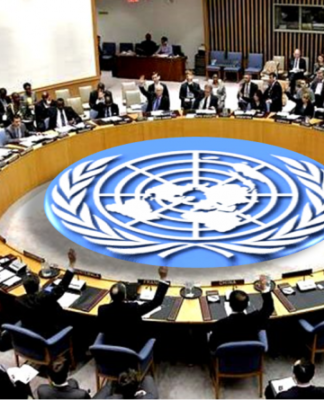
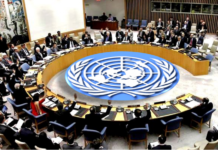
Meanwhile, the UN Security Council and Western governments continue to pressure Rwanda to withdraw its forces from eastern DRC and stop supporting the M23 rebels. The EU’s actions indicate a growing international consensus that Rwanda is directly involved in destabilizing the region. The travel bans and asset freezes imposed by the EU will affect Rwandan military leaders and top M23 figures, preventing them from accessing European financial systems. Moreover, Gasabo Gold Refinery’s inclusion in the sanctions list signals a crackdown on illicit mineral exports, a major revenue stream for both Rwanda and M23.
The EU has also warned that additional sanctions could follow if Rwanda does not cease its military activities in eastern DRC. The bloc is coordinating closely with the US and UK, which are considering expanding their own sanctions against Kigali’s leadership. As diplomatic tensions escalate, these sanctions represent a major shift in EU policy toward Rwanda, a country that has long been regarded as a key security partner in the region. The move also reflects increasing frustration over Rwanda’s role in fueling one of Africa’s deadliest conflicts, which has displaced hundreds of thousands and led to widespread atrocities.
The coming weeks will determine whether Rwanda seeks to de-escalate tensions or further isolate itself from Western allies, as pressure continues to mount for a withdrawal of RDF forces from DRC and an end to support for M23.