



















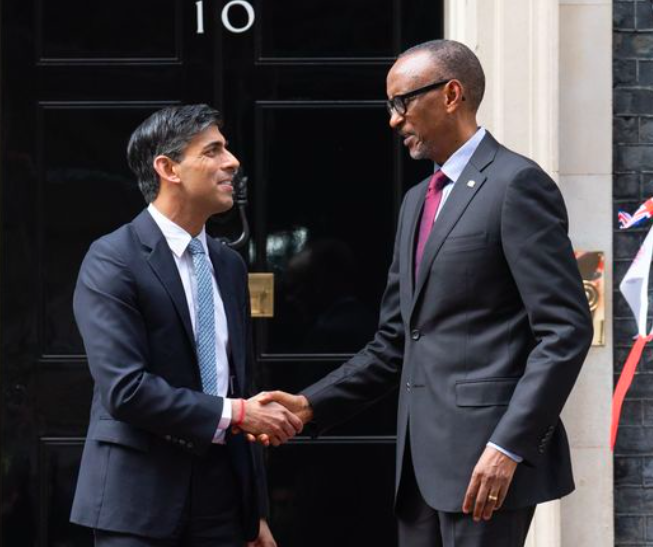
On August 25, 2024, confidential documents revealed by the British newspaper The Mirror exposed a troubling situation: while the British Parliament voted in favor of the “Safety of Rwanda” law, contingency plans for war were secretly prepared by Foreign Office officials in case of conflict between Rwanda and the Democratic Republic of the Congo (DRC). These plans were developed despite escalating tensions between the two countries, and the British government, while publicly defending Rwanda as a safe destination for asylum seekers, was aware of the potential for a major conflict.
The documents, obtained through the Freedom of Information Act, show that former Foreign Secretary David Cameron and his deputy, Andrew Mitchell, were briefed on these tensions on January 17, 2024, the same day the bill was approved by the House of Commons. The information indicates that troops had crossed the border between the DRC and Rwanda, exacerbating already high tensions in the region. Despite this, no mention of these conflict risks was made during parliamentary debates.
This revelation has sparked outrage among human rights groups, who denounce the hypocrisy of the British government. While Conservative ministers publicly insisted on Rwanda’s safety, they were privately warned of the possibility of regional conflict. According to Alistair Carmichael, the Liberal Democrat spokesperson for Home Affairs, “The Conservatives trampled over Parliament and concealed the facts to push through an unnecessary law.” Additionally, the U.S. Secretary of State had already warned of the risk of war between Rwanda and the DRC, while DRC President Félix Tshisekedi openly accused Rwandan President Paul Kagame of supporting M23 rebels involved in war crimes.
Despite these warnings, British MPs were pressured to declare Rwanda a safe country, a decision widely criticized by humanitarian organizations. Steve Smith, director of Care4Calais, emphasized that concerns about Rwanda’s safety were ignored, even after the British Supreme Court ruled that the country was not safe for refugees.
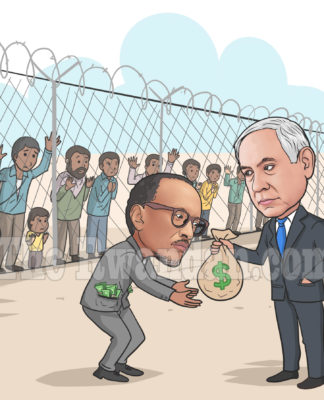
The British government’s strategy to send asylum seekers to Rwanda has cost £700 million and could reach £10 billion if resumed. Despite this astronomical cost and the obvious risks, some Conservative leaders, such as Robert Jenrick, continue to advocate for a reinforced version of the plan.
This situation highlights the inconsistencies and lack of transparency in the British government’s policy on Rwanda. As regional tensions threaten to escalate into conflict, the handling of this crisis by British authorities raises serious questions about the integrity and morality of their decisions.
This case not only reveals the internal contradictions of the British government but also raises concerns about the UK’s continued involvement in controversial policies that risk exacerbating regional conflicts. The lack of transparency and the obsession with maintaining an appearance of safety in Rwanda, despite evidence to the contrary, show a troubling disregard for the human consequences of these political decisions.