






















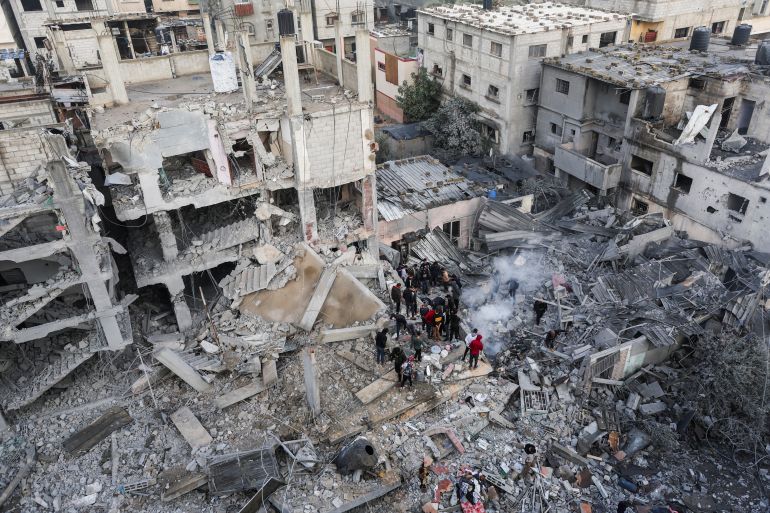
The conflict between Israel and Hamas, which began on October 7, 2023, has been one of the most devastating episodes in recent history, with thousands of deaths, massive destruction, and the capture of hundreds of Israeli hostages. The recent announcement of a ceasefire and an agreement to release some hostages marks a significant turning point. However, a deeper analysis reveals that Hamas is unlikely to release all the hostages for several complex reasons.
Fragmented Control Over Hostages
Hamas does not have full control over all the hostages. Since the October 7 attack, various Palestinian armed groups, civilians, and even criminal networks in Gaza have reportedly captured hostages or taken possession of the remains of Israeli victims. This fragmentation complicates efforts to recover hostages or return the remains to Israel. Disturbing reports have even emerged of body parts being offered to families in exchange for money.
While Hamas is the de facto authority in Gaza, it cannot exert complete control over these disparate groups. Moreover, the exact whereabouts of many hostages or their remains remain uncertain, creating logistical and political barriers to a full-scale release.
The Strategic Role of Hostages
Hostages are a crucial strategic asset for Hamas. Releasing all captives would mean losing a critical bargaining tool in current and future negotiations with Israel. By holding onto some hostages, Hamas maintains psychological pressure on Israeli society and a deterrent against renewed military action.
The presence of hostages in Gaza has also constrained the intensity of Israeli airstrikes, as Israel fears endangering its citizens held captive. Without hostages, Hamas would face the risk of far more aggressive military reprisals, jeopardizing its survival.
Emotional Impact on Israeli Society
The hostage situation has created deep divisions within Israeli society. Many families blame Prime Minister Benjamin Netanyahu’s government for not prioritizing the release of hostages, leading to growing dissatisfaction. Hamas exploits these divisions to maintain indirect pressure on Israel’s leadership.
This emotional manipulation also bolsters Hamas’s political narrative, presenting itself as a resilient force against the Israeli state. By withholding information about the hostages—whether they are alive or dead—Hamas perpetuates uncertainty, maintaining its leverage over Israeli families and public opinion.
Buying Time to Reorganize
The prolonged negotiations and gradual release of hostages give Hamas time to regroup and reorganize. After months of conflict, the organization has suffered significant losses but has also reportedly recruited thousands of new fighters from Gaza’s population. Training and integrating these recruits require time, which the current ceasefire affords.
This period of relative calm also allows Hamas to consolidate its control over Gaza, rebuild infrastructure, and strengthen its political position. A complete and rapid release of hostages would undermine this advantage, leaving Hamas vulnerable to renewed attacks.
The Risks of Media Exposure
The release of hostages—whether alive or dead—inevitably attracts significant media attention. Survivor testimonies, forensic discoveries, and revelations about the conditions of captivity could exacerbate tensions between Israel and Hamas. Hamas is acutely aware that these disclosures could provoke a harsh Israeli response and increase international scrutiny.
Additionally, Hamas seeks to portray the ceasefire as a symbolic victory, glorifying the October 7 attacks and threatening future actions. This provocative stance risks reigniting the conflict, but Hamas calculates that retaining hostages provides a buffer against immediate escalation.
Logistical and Humanitarian Challenges
The dire humanitarian situation in Gaza further complicates the release of hostages. Widespread destruction, limited medical resources, and ongoing insecurity make organizing a mass and safe transfer of captives extremely difficult. Hamas uses these challenges as a pretext to delay the process while negotiating additional concessions.
Conclusion
Hamas faces a complex strategic dilemma where the full release of hostages could undermine its political and military survival. By holding onto some captives, the group preserves its leverage in negotiations, mitigates the threat of massive Israeli retaliation, and exploits divisions within Israeli society.
This situation highlights the fragility of the ceasefire agreement and the precarious nature of peace in the region. While the gradual return of hostages may bring temporary relief, it does not address the underlying causes of the conflict or the power dynamics driving it. The fate of the hostages and the future of Gaza remain critical points of contention that will continue to shape Israeli-Palestinian relations in the years to come.