
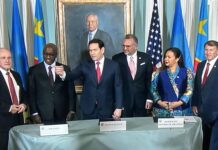


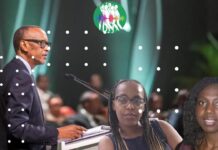










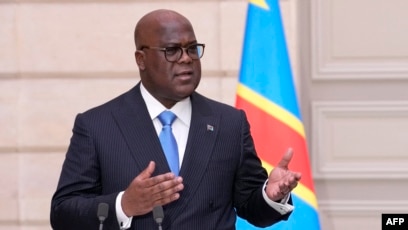
On Saturday, January 18, 2025, in Kinshasa, President Félix Tshisekedi of the Democratic Republic of Congo (DRC) firmly reiterated that he would never engage in peace talks with the rebel group M23, which he unequivocally described as a “terrorist group.” During a diplomatic gathering, Tshisekedi declared, “Engaging in dialogue with the M23 is crossing a red line we will never cross.”
This statement underscores a clear and uncompromising stance against a conflict that has destabilized eastern DRC for years. It also sheds light on the ongoing accusations against Rwanda, led by Paul Kagame, of actively supporting the M23 rebel group.
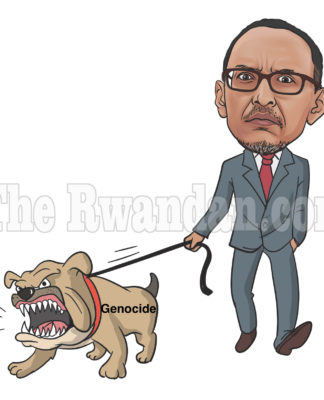
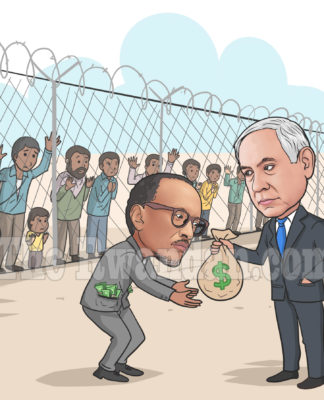
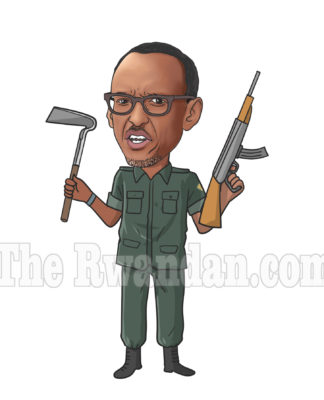
The M23, accused of numerous war crimes and atrocities against civilians, is frequently described as a tool of Rwanda’s foreign policy. According to multiple reports, including those from the United Nations, the group receives military and logistical support from Kigali. Despite these well-documented accusations, Paul Kagame continues to deny any involvement, isolating his regime further on the international stage.
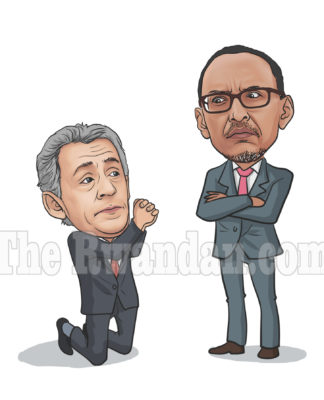
By refusing to negotiate with the M23, Tshisekedi is not only defending DRC’s sovereignty but also sending a strong message to Kagame. Rwanda’s support for this rebel group represents a grave threat to regional stability and a violation of international law.
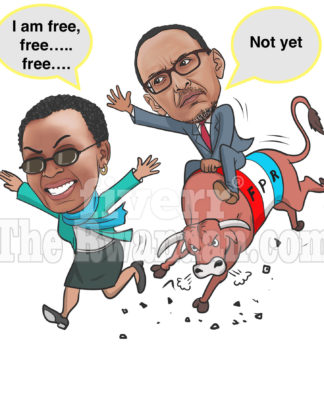
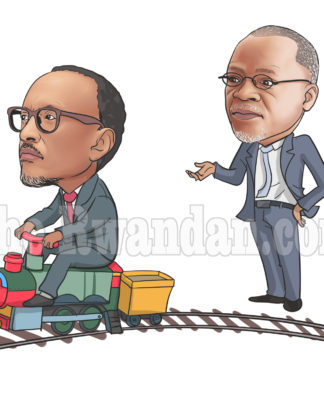
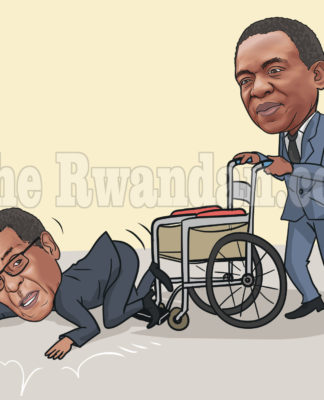
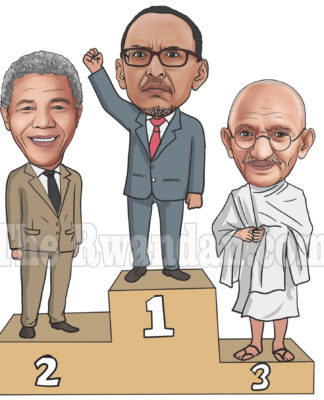
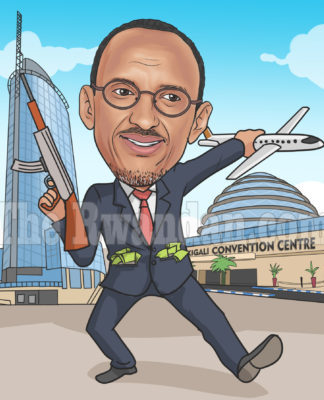
Paul Kagame, once hailed is now seeing his image crumble. His authoritarian regime is criticized for its interference in the affairs of neighboring countries and its alleged support for armed groups like the M23.
This regional expansionist strategy, masked by rhetoric about national security, is showing its limits. By continuing down this path, Kagame risks not only losing the remaining international support he enjoys but also exposing Rwanda to escalating economic and diplomatic sanctions.
Despite his refusal to engage with the M23, Tshisekedi reaffirmed the DRC’s commitment to the Luanda Agreements, which aim to restore peace between Kinshasa and Kigali. These agreements represent a unique opportunity to resolve regional tensions, but their success hinges on the goodwill of all parties involved.
However, Rwanda’s support for the M23 undermines these efforts. Kagame appears to favor a confrontational approach, which blocks meaningful progress. This attitude threatens not only the Luanda Agreements but also the long-term stability of the Great Lakes region.
President Tshisekedi, by drawing a clear red line against dialogue with the M23, sets an example of how to protect sovereignty and dignity. In contrast, Paul Kagame finds himself entangled in a destabilization policy that harms both his country and the region.
If Rwanda does not change course, it risks increased diplomatic isolation and severe economic repercussions. Kagame must abandon his regional ambitions and genuinely commit to peaceful solutions. The international community must also intensify its pressure to end support for armed groups and promote stability in the region.
Tshisekedi’s refusal to negotiate with the M23 is an act of political courage. Kagame, on the other hand, would do well to take inspiration from this stance and abandon maneuvers that ultimately harm both his country and its neighbors.