



















Hopes for peace following the June 2025 agreement signed in Washington between the Democratic Republic of Congo (DRC) and Rwanda have been overshadowed by a new wave of killings in the east of the country. The M23 rebel group, reportedly supported by troops from the Rwandan Defence Forces (RDF), stands accused of carrying out mass killings in the Rutshuru territory of North Kivu province.
According to the United Nations Human Rights Office, at least 319 civilians, including 48 women and 19 children, were killed between 9 and 21 July in a series of attacks across Rutshuru. UN High Commissioner for Human Rights Volker Türk described it as “one of the deadliest incidents since M23’s resurgence in 2022.” Most of the victims were Hutu farmers who had returned to their fields after M23 had reportedly promised safe access.
The NGO All For Rwanda has condemned what it calls genocidal crimes, accusing the M23-AFC and Rwandan troops of a systematic campaign to eliminate Hutu populations from the area. In a statement released this week, the organisation claimed over 200 civilians were killed in July alone in the villages of Binza, Kiseguro, Katwiguro, Kasave, Nyabanira, and Nyamilima. The attacks, they said, involved executions by gunfire and machete, with bodies dumped in rivers and fields.
Among the victims were not only Congolese Hutu civilians but also Rwandan Hutu refugees, many of whom have been living in eastern DRC since 1994. The UNHCR officially counted 201,238 Rwandan refugees in June 2025, but All For Rwanda estimates their actual number to exceed 500,000, when including the undocumented, stateless, or those forced to live under false identities for fear of retaliation.
The UN Group of Experts on the DRC, in its June 2024 final report, had already flagged patterns of ethnically targeted violence by M23 and RDF forces. The report stated that “M23 and RDF specifically targeted Hutu-majority localities,” and documented mass executions and the destruction of villages in Rutshuru, including in the Bwito and Bwisha chiefdoms.
Crimes under international law
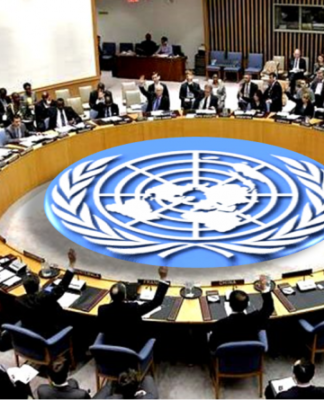
All For Rwanda argues that the crimes committed may amount to war crimes, crimes against humanity, and possibly genocide, under the Rome Statute of the International Criminal Court. The group is calling for an independent international investigation, the mobilisation of the UN Security Council, and a reform of UNHCR’s refugee policy to better protect Rwandan Hutu refugees.
The group also urges the United States, Qatar, the African Union, SADC, and the East African Community (EAC) to tie any further political or military progress to the immediate cessation of violence and a recognition of the Hutu refugee issue as a central political matter in regional peace efforts.
Belgian Foreign Minister Maxime Prévot has strongly condemned the killings, describing them as “intolerable crimes that must not go unpunished.” In a public statement, he called for full access to M23-held areas to allow investigations and emphasised the need for strict adherence to the Doha Declaration of Principles.
The Congolese government has yet to make a formal statement, while Rwandan authorities have not responded publicly to the most recent allegations. M23 leader Bertrand Bisimwa told Reuters that the group would open an investigation but also suggested that the reports could be part of a “smear campaign”.
Fragile peace, unfulfilled promises
These massacres come just weeks after the M23-AFC signed a declaration of principles in Doha, committing to a ceasefire and further negotiations. But on the ground, the reality is far from peaceful. Displacement continues, attacks persist, and many Hutu communities — both Congolese and Rwandan — say they are being sidelined in the peace process.
Volker Türk has called on all parties to translate diplomatic commitments into real protections for civilians, warning that failure to do so could lead to further cycles of violence.
As All For Rwanda concludes in its statement:
“No peace can be built on the ignored blood of an exiled people. No stability can emerge without justice for the victims.”