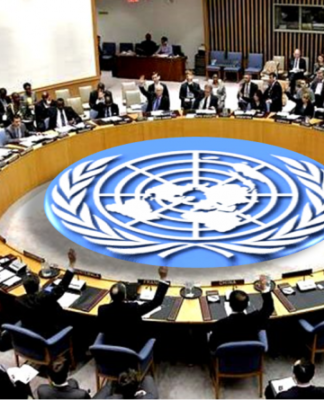




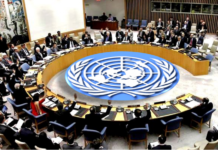











Representatives of Rwanda and the Democratic Republic of Congo (DRC) exchanged accusations once again on Monday during a UN Security Council meeting focused on the persistent insecurity in eastern DRC. The session featured a report presented by Bintou Keita, Special Representative of the UN Secretary-General and Head of MONUSCO, addressing the challenges in the volatile region.
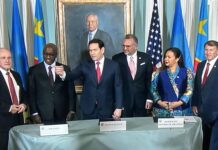
The discussions highlighted ongoing disagreements between the two countries, despite the recent signing of a document outlining actions required to resolve the crisis. A potential meeting between Presidents Félix Tshisekedi and Paul Kagame, scheduled for this Sunday in Luanda, may continue the mediation efforts.
During the meeting, Linda Thomas-Greenfield, the US representative, urged all parties to respect the ceasefire and to cease any support for armed groups. She expressed concern over allegations of Rwandan forces supporting the M23 rebel group and of Congolese support for the FDLR, while commending the progress made in recent negotiations.
Thérèse Kayikwamba, DR Congo’s Minister of Foreign Affairs, accused the M23 of establishing civilian and cultural structures in territories under its control, describing it as an attempt to reconfigure these areas. She also denounced Rwanda’s military actions in DRC, labeling them as acts of aggression and plundering, while reiterating her government’s commitment to dismantling the FDLR.
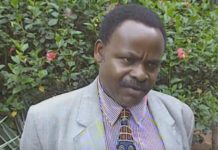
On the other hand, Ernest Rwamucyo, Rwanda’s representative to the UN, dismissed these accusations, arguing that the conflict in eastern DRC stems from complex internal dynamics, including the marginalization of Congolese Tutsi communities. He criticized Bintou Keita’s report for alleged bias in favor of the Congolese government and for downplaying attacks against Rwandophone populations. He emphasized that Rwanda’s primary concern remains the presumed alliance between Congolese forces (FARDC) and armed groups such as the FDLR, which he accused of atrocities against civilians and cross-border threats.
The Security Council debates once again underscored the deep-seated tensions between Kigali and Kinshasa, highlighting the challenges ahead for achieving a lasting resolution to the crisis.