




















On Tuesday, August 6, 2024, a report published by Ebuteli and the Congo Research Group (GEC) highlights the external causes of the M23 rebellion’s resurgence in the eastern Democratic Republic of Congo (DRC). Contrary to claims made by Rwanda, a key supporter of the rebels active in North Kivu Province, the report, titled “The Resurgence of M23: Regional Rivalries, Donor Politics, and the Stalemate in the Peace Process,” suggests the reasons lie primarily outside the DRC.
According to Ebuteli and GEC, the primary factor contributing to the resurgence of M23 is a feeling of isolation on the part of Rwanda. The report details how, in 2021, Uganda and the DRC strengthened their ties both economically and in terms of security, particularly with a joint military operation against the armed group ADF. These developments left Rwanda feeling marginalized in the regional context.
The report further explains that Rwanda felt isolated when Ugandan teams began constructing roads to link North Kivu and Ituri provinces to Kampala. This infrastructure development threatened to exclude Rwanda from the lucrative trade routes between eastern Congo and the East African coast, according to Pascal Mulegwa, a correspondent in Kinshasa.
“This contributed to Kigali feeling marginalized and perceiving its interests as threatened,” the report states. It posits that M23 emerged as a means for Rwanda to project its influence against Uganda. Rwanda’s support for M23 persisted and even intensified following the resumption of diplomatic relations between Kigali and Kampala in 2022.
Rwanda has consistently justified its actions by citing supposed violence against Tutsis in the DRC and the threat posed by the Democratic Forces for the Liberation of Rwanda (FDLR). However, the report dismisses Kigali’s assertions. Ebuteli notes, “there is no evidence of a resurgence in anti-Tutsi violence before the M23 reemerged.”
The report highlights that the main incidents of violence against Rwandophones occurred in South Kivu rather than North Kivu. Regarding the FDLR, their numbers had decreased to about 700 fighters in 2018, posing a minimal threat to civilians in eastern DRC, according to the report.
The report also notes that the weakness of the Congolese state exacerbated the crisis, with an army unable to effectively address the situation. On November 7, 2021, the M23, defeated in 2013, launched offensives on the northern and western slopes of Mount Sabinyo at Kigali’s behest.
Instead of responding with a robust military, the Congolese government resorted to private security firms and collaboration with foreign and local armed groups. These groups, like M23, primarily recruit based on ethnic lines, worsening community and regional tensions, the report notes.
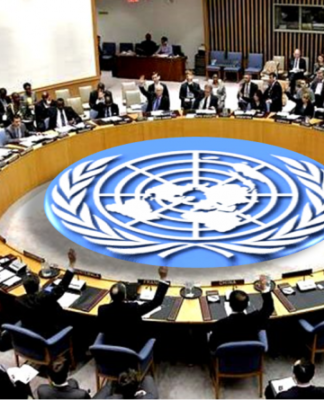
On the diplomatic front, international reactions have been lackluster. Kigali has not faced economic sanctions, despite demands from Kinshasa, and the international community has not restrained Rwanda through other means.
Ebuteli and the GEC recommend that Congolese authorities reform the security sector. The armed forces, “which largely serve to distribute privileges and extract resources,” need to be transformed into a genuine public service.












 Therwandan
