







On Friday, February 14, 2025, various sources confirmed that the city of Bukavu is under the control of M23 rebels, supported and commanded by the Rwandan army, after the withdrawal of the Congolese armed forces and the provincial authorities of South Kivu. A journalist from Radio Maendeleo in Bukavu told the BBC that M23 fighters had entered multiple districts of Bukavu on Friday evening. The rebels advanced from Kavumu, north of the city, then took the districts of Kabare and Bagira before reaching Kadutu.
According to Radio Okapi, the city of Bukavu fell without major resistance, as Congolese forces abandoned their positions. Corneille Nangaa, leader of the AFC/M23, told Reuters: “We entered Bukavu this evening, and tomorrow we will continue the operation to secure the city.”
The population of Bukavu, gripped with panic, reports a surge in looting in various districts. Videos circulating show groups of people breaking into abandoned shops and residences. Residents also report sporadic gunfire in some areas on Friday night into Saturday.
Meanwhile, Congolese President Félix Tshisekedi was attending the Security Conference in Munich. He declared that the M23 attack was a “disguised Rwandan aggression,” reiterating his refusal to negotiate with the armed group. He accused his predecessor, Joseph Kabila, of being “the true mastermind” behind the armed opposition destabilizing the country.
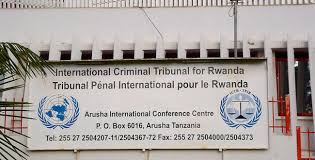
While in Munich, Tshisekedi also met with Karim Khan, the Prosecutor of the International Criminal Court (ICC). The meeting aimed to accelerate investigations into crimes committed in Goma and Bukavu during the occupation of these cities by the M23. ICC Deputy Prosecutor Mame Mandiaye Niang confirmed that calls for witnesses had been issued to facilitate the collection of evidence and establish responsibility for the involved parties.
At the same time, Rwanda denies these accusations. At the Munich Conference, Rwandan Defense Minister Juvenal Marizamunda rejected any military involvement, claiming that Kigali is merely “protecting its borders against the threat of the FDLR.” However, reports from the United Nations and Western powers confirm the presence of thousands of Rwandan soldiers in the DRC alongside the M23.
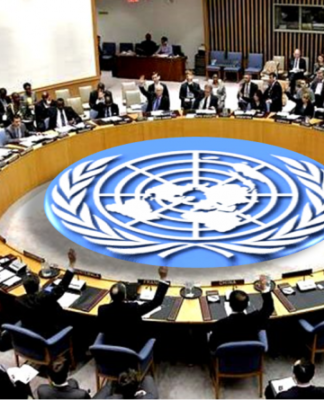
The situation in the DRC is also a key topic at the African Union summit in Addis Ababa. Congolese Prime Minister Judith Tuluka Suminwa declared before the AU Peace and Security Council: “The illegal occupation of Congolese territories by the Rwandan army constitutes an act of war. This Council must act firmly.”
Rwandan President Paul Kagame, also present in Addis Ababa, met with UN Secretary-General Antonio Guterres. He called for a political solution to the Congolese crisis and reiterated that Rwanda has “legitimate security concerns” that must be addressed.
Angolan President João Lourenço, who has led mediation efforts between Kinshasa and Kigali, stated that “the substantial foreign support for the M23 has led to an escalation that threatens regional stability.” He urged the parties to resume negotiations while calling for sanctions against those responsible for the aggression.
On the ground, tensions remain high. The Congolese government announced the arrest of eight individuals suspected of collaborating with M23 rebels in Kisangani. The provincial Minister of the Interior called for a general mobilization to reinforce the army and counter the rebel expansion.
In this context, several countries have advised their citizens against traveling to the DRC. Canada and the United States have issued security warnings, cautioning that the situation could further deteriorate in the coming days.
Meanwhile, the International Criminal Court (ICC) has declared that it is accelerating its investigations into crimes committed in Goma and Bukavu during the occupation of these cities by the M23. ICC Deputy Prosecutor Mame Mandiaye Niang confirmed that calls for witnesses have been issued to facilitate evidence collection and establish accountability for those involved.
As the international community intensifies calls for a ceasefire, the situation remains volatile. The future of eastern Congo appears more uncertain than ever, with a Congolese government determined to resist, a weakened army, and an M23 insurgency increasingly supported by Kigali.