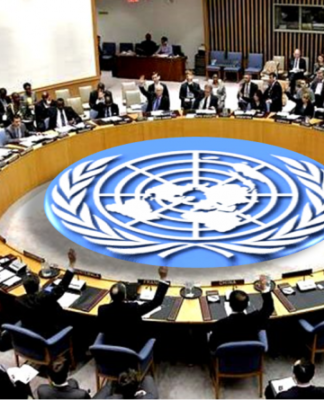


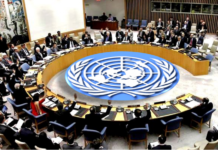




On February 7, 2025, the United Nations Human Rights Council decided to launch a commission of inquiry into the atrocities committed in eastern Democratic Republic of Congo (DRC). This decision follows the capture of the city of Goma by the M23 armed group, which is backed by Rwanda, and multiple accusations of war crimes and human rights violations.
For years, the security situation in eastern DRC has been volatile, but recent weeks have seen an unprecedented escalation. The M23, benefiting from military and logistical support from Rwanda, has intensified its offensive, forcing thousands of civilians to flee and committing massacres, gang rapes, looting, and forced conscription. UN High Commissioner for Human Rights Volker Türk has expressed deep concern about the worsening crisis, warning of an increased risk of sexual violence and child recruitment into armed groups.
The commission of inquiry, requested by the DRC and supported by 48 countries, aims to establish the responsibility of the various actors in the conflict. Nearly 79 Congolese, regional, and international organizations, including Human Rights Watch, have advocated for this initiative to collect evidence and identify perpetrators so they can be prosecuted.
During the special session of the UN Human Rights Council, Congolese government spokesman Patrick Muyaya urged members to recognize Rwanda’s responsibility in the conflict. In response, Rwanda’s representative to the UN, James Ngango, categorically denied any involvement by Kigali, accusing Kinshasa of exploiting the situation for political purposes.
The figures presented by the UN are alarming. Since January 26, at least 3,000 people have been killed and nearly 2,880 injured, though the actual numbers are likely much higher. Ongoing investigations into sexual violence have revealed widespread brutality, including mass rapes and sexual slavery in M23-controlled areas. Experts have also warned of the dangers posed by the forced recruitment of young boys into militias.
Amid this humanitarian catastrophe, UN Secretary-General António Guterres has called for de-escalation and an immediate end to hostilities. Several countries, including Belgium and France, support Kinshasa’s position and are demanding sanctions against Rwanda. Diplomatic efforts by Angola and Kenya have so far failed to pressure Kigali into withdrawing M23 forces.
The resolution adopted by the Human Rights Council demands that Rwanda and the M23 immediately cease their violations and authorizes the establishment of a special mission to investigate crimes committed since January 2022. The goal is to identify those responsible and prepare legal actions against them.
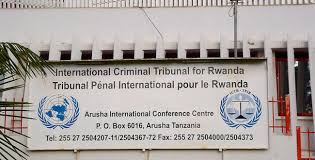
The long-standing impunity in this region has fueled persistent instability. The UN investigation represents an opportunity to break the cycle of violence and hold those responsible—including Paul Kagame and M23 leaders—accountable for their actions. Kinshasa continues to push for sanctions against Kigali and hopes that international pressure will lead to real accountability for crimes against humanity.